
AI Historical Figures for Interactive Museum Exhibits
Voices of the past with a face and a presence
Interactive Museum Exhibits
Built Around Historical Figures
In museums today, every wall, label, and display competes for the visitor’s attention. Interactive museum exhibits with AI historical figures shift that dynamic. The figure speaks. The visitor responds. What might have been a passive display becomes a live exchange, shaped to fit the exhibition design, the curatorial voice, and the way visitors move through the space.
Each format places AI historical figures within the exhibition’s wider narrative, giving visitors context and a direct connection to the people behind the history.
What Interactive Museum Exhibits
Add to the Visitor Experience
Strong Visitor
Magnet
PR & Media
Shareability
New Revenue
Opportunities
Connect Across
Languages
How AI Historical Figures Can Appear
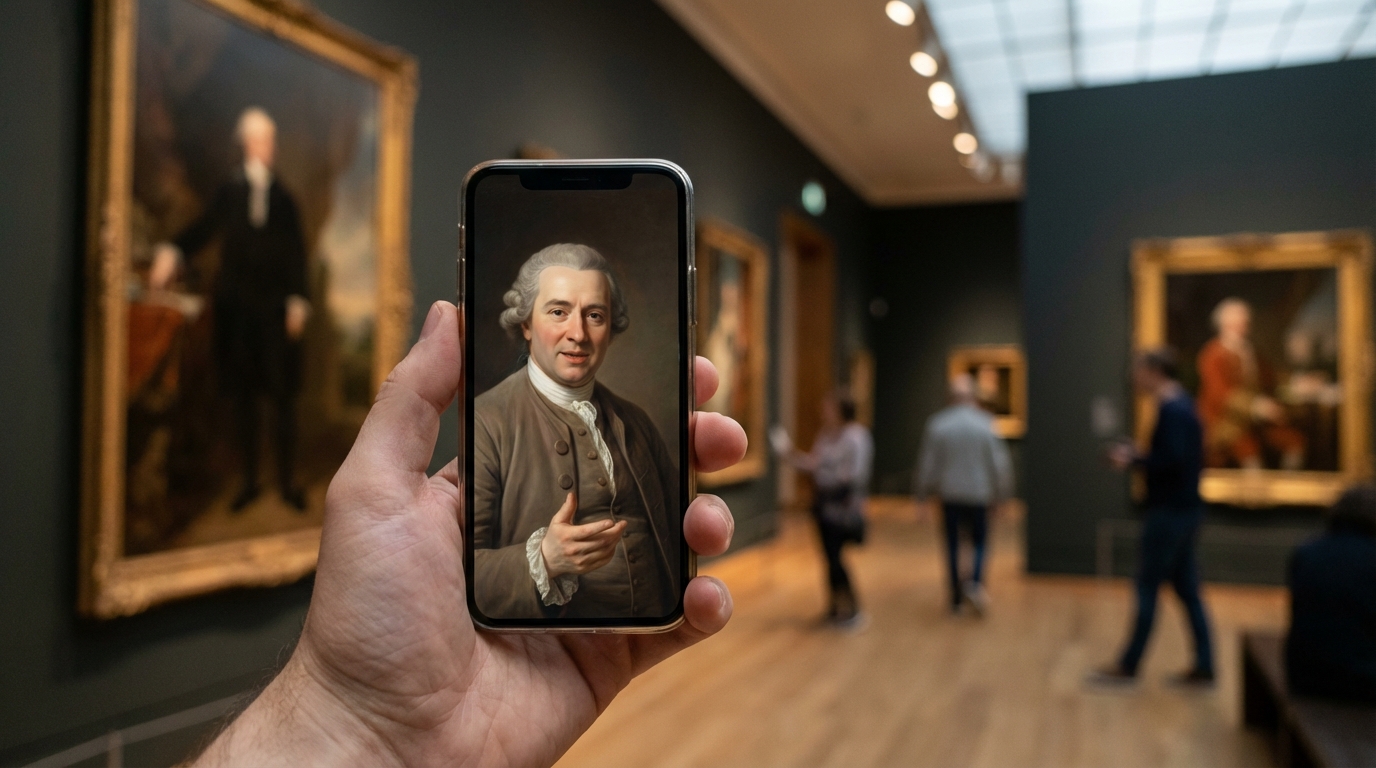
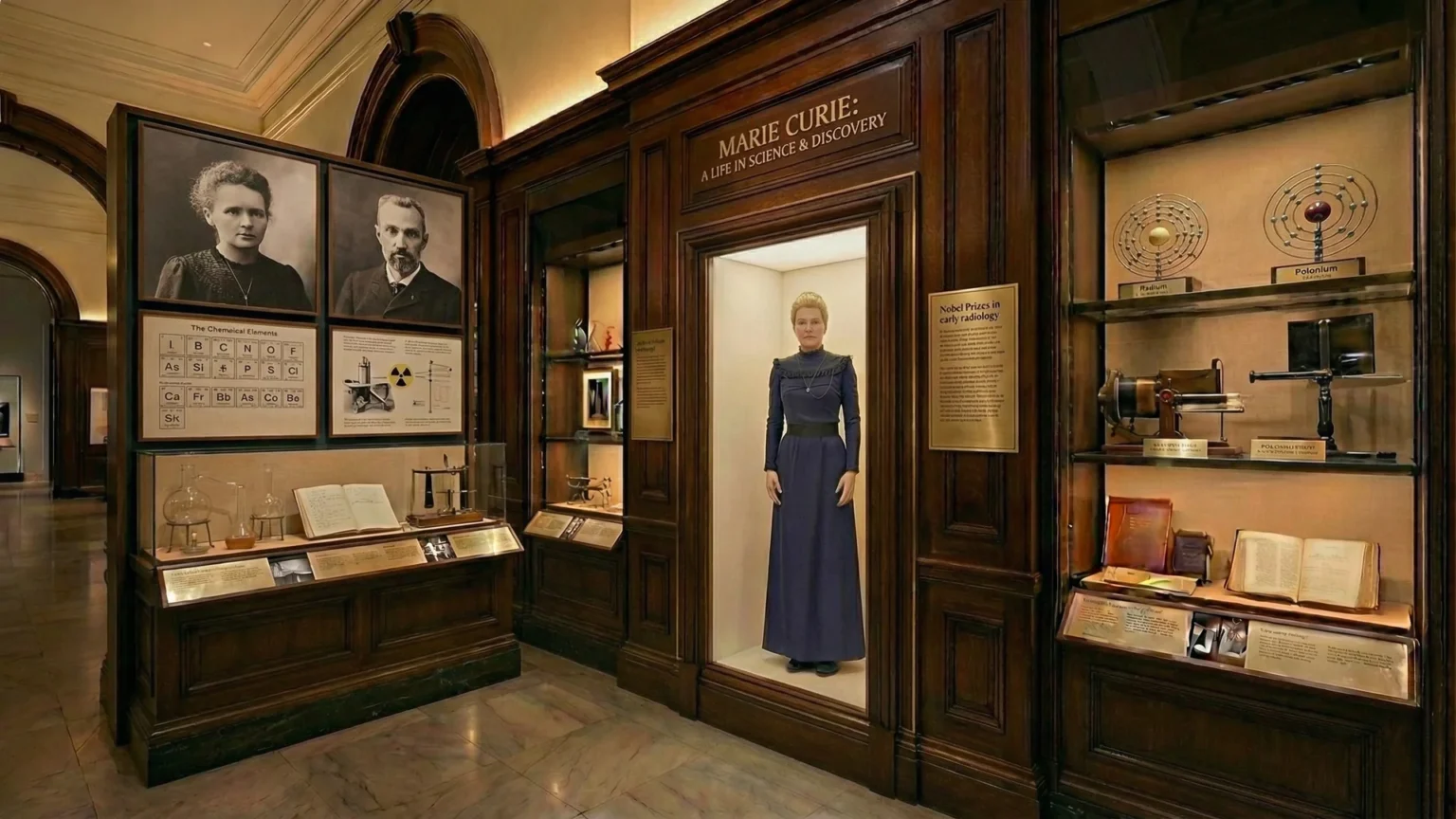
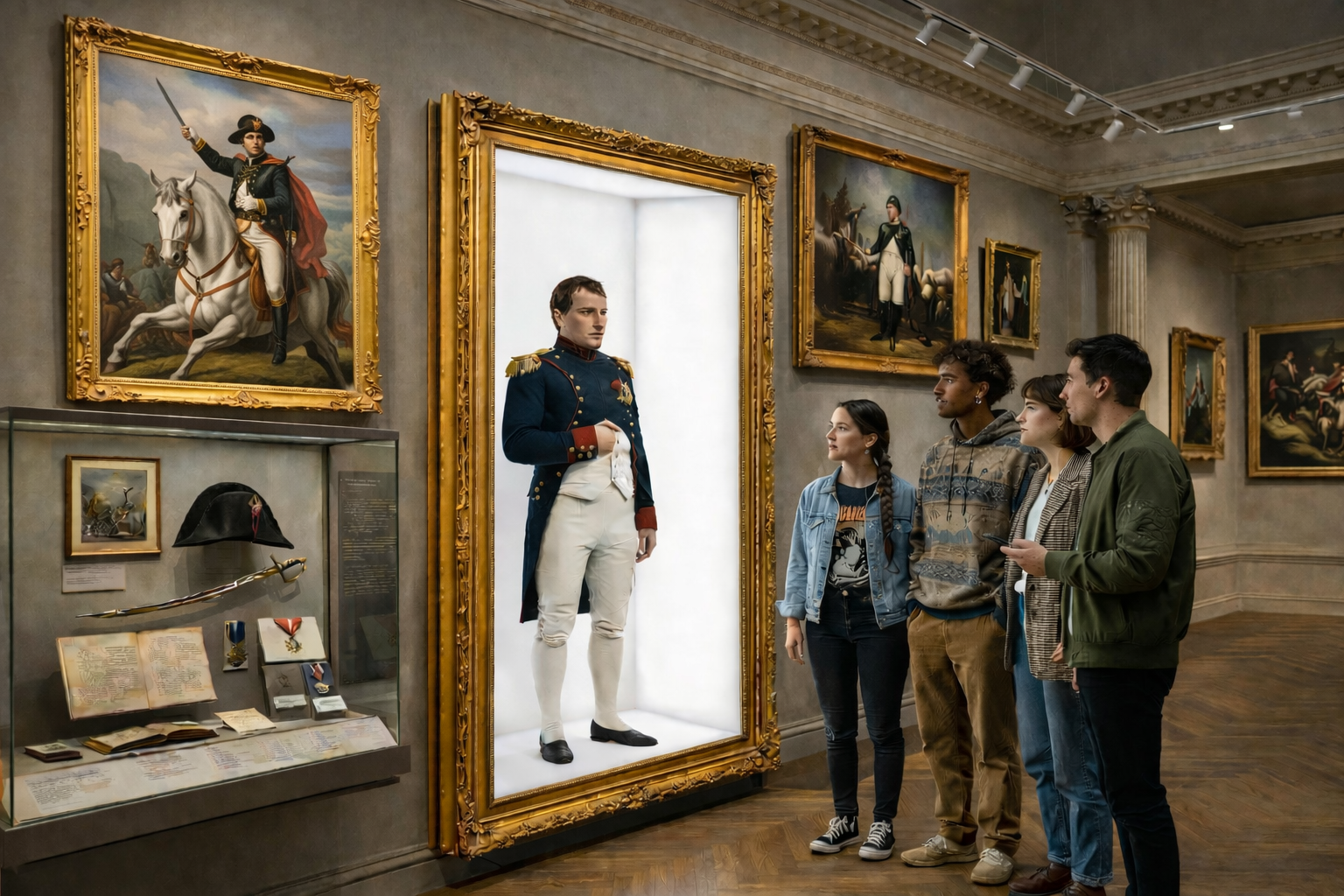
Interactive museum exhibits with AI historical figures can take different forms. Speaking portraits on the wall. Life-size holograms in the gallery. Conversational guides on visitors’ phones. Educational installations for school groups and public programs. Each format adapts to the exhibition concept, the space, and the experience you want visitors to have.
Portraits That Speak
Historical figures appear as framed, half-body interactive portraits, integrated into the gallery wall.
This format works especially well for artists, writers, scientists, and archival figures, creating the feeling that a portrait has come to life.
Historical Figures Brought to Life
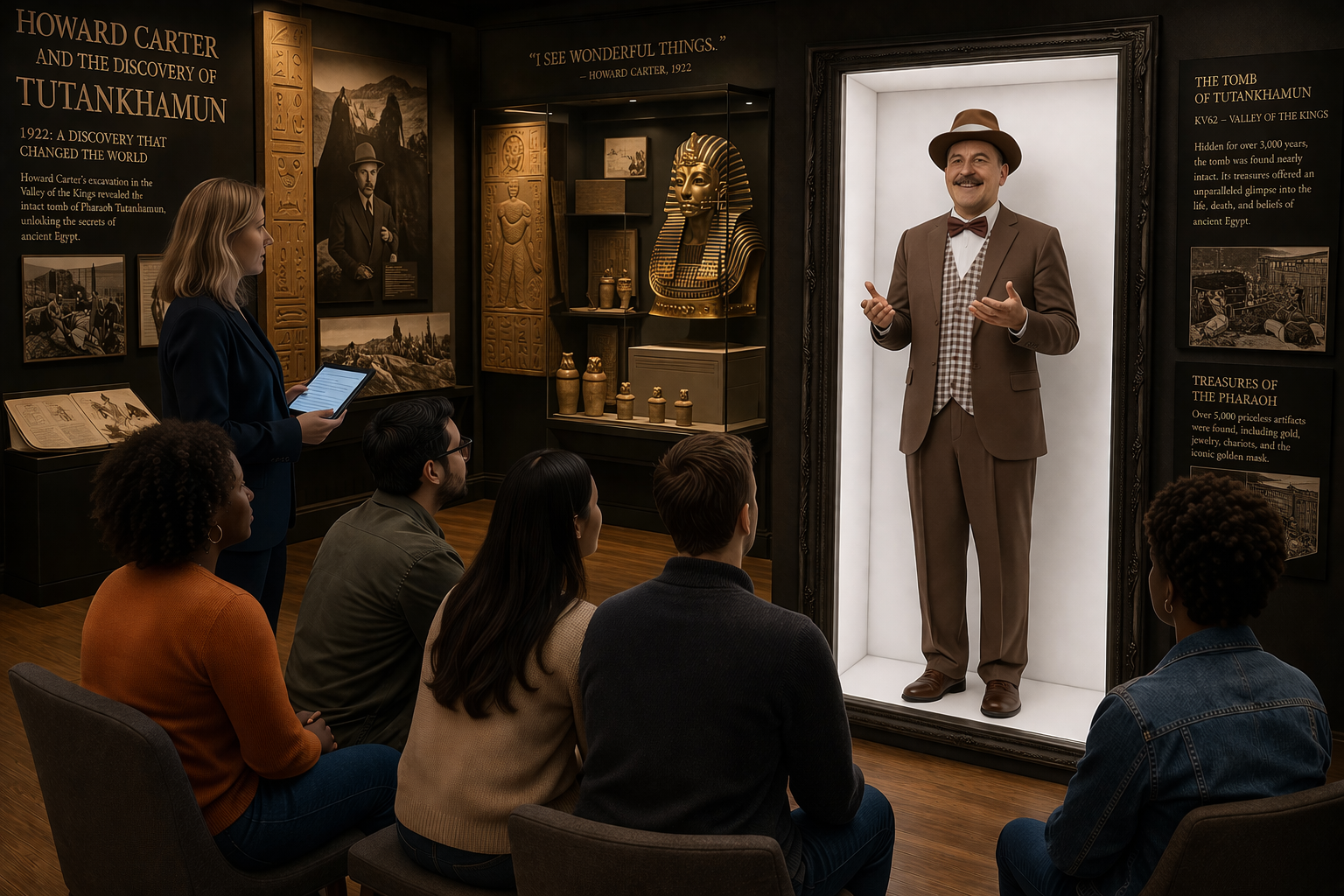
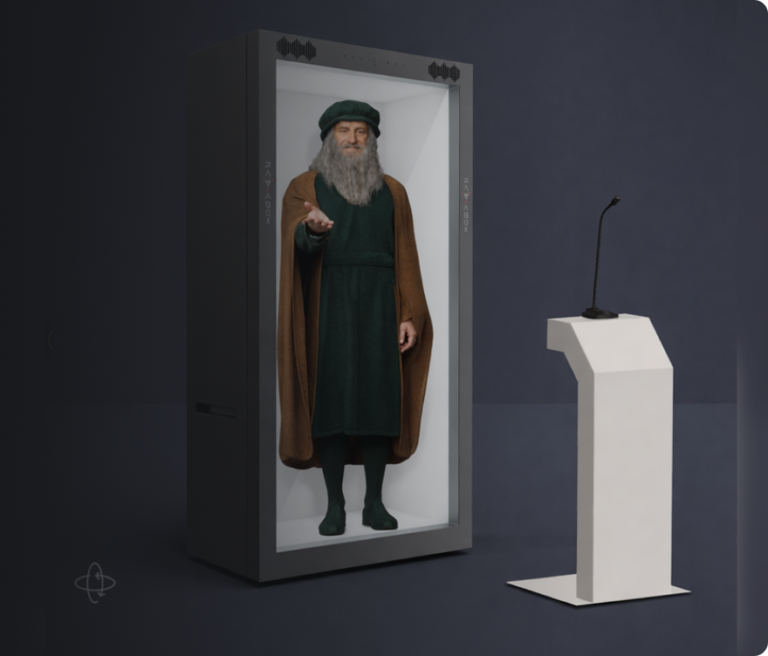
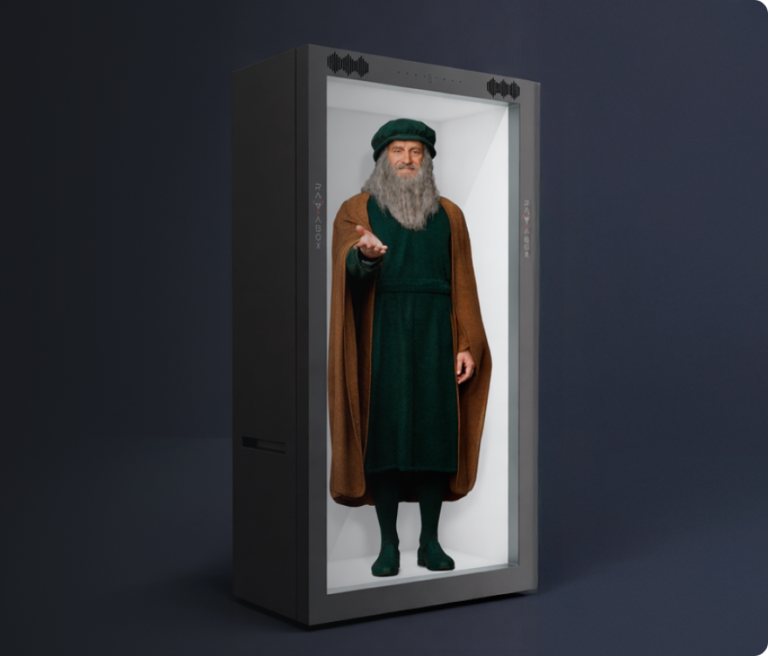
Full-body AI historical figures appear in life-size holographic displays, integrated directly into the exhibition or a themed installation.
This creates a strong sense of presence, letting visitors encounter the figure as part of the physical space.
Conversational Guide Storyteller
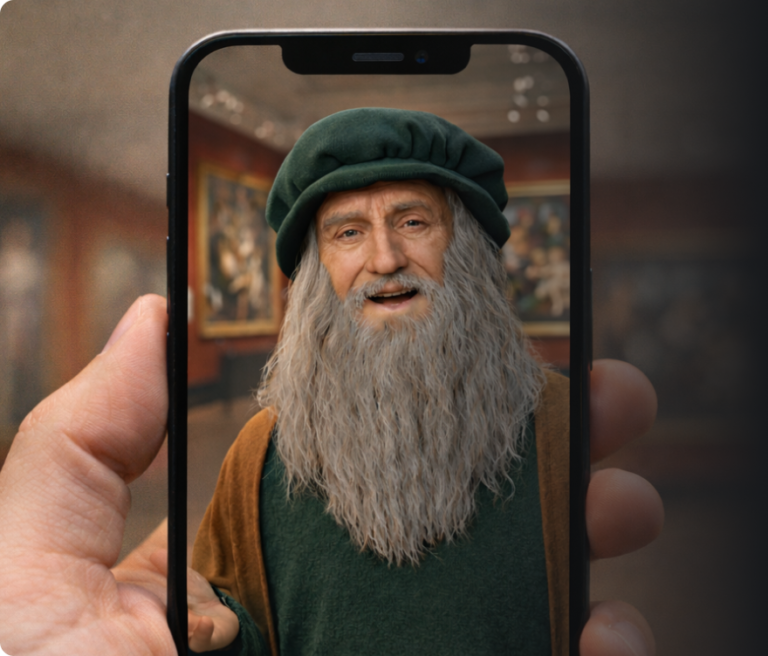
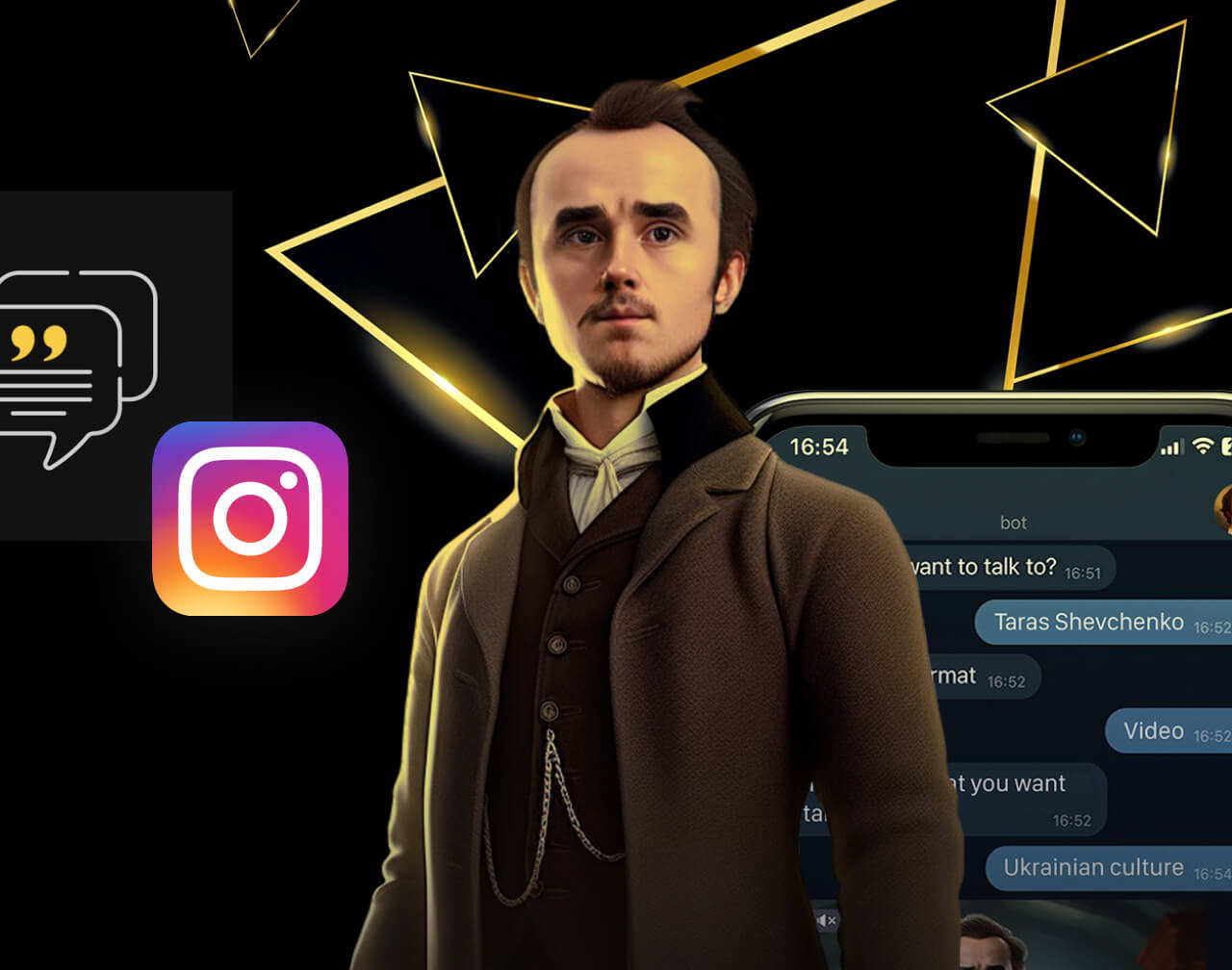
AI historical figures appear as upper-body digital guides on smartphones or personal devices.
Visitors explore the exhibition through stories, questions, and interpretation at their own pace, with the figure acting as a multilingual companion.
Educational Installations
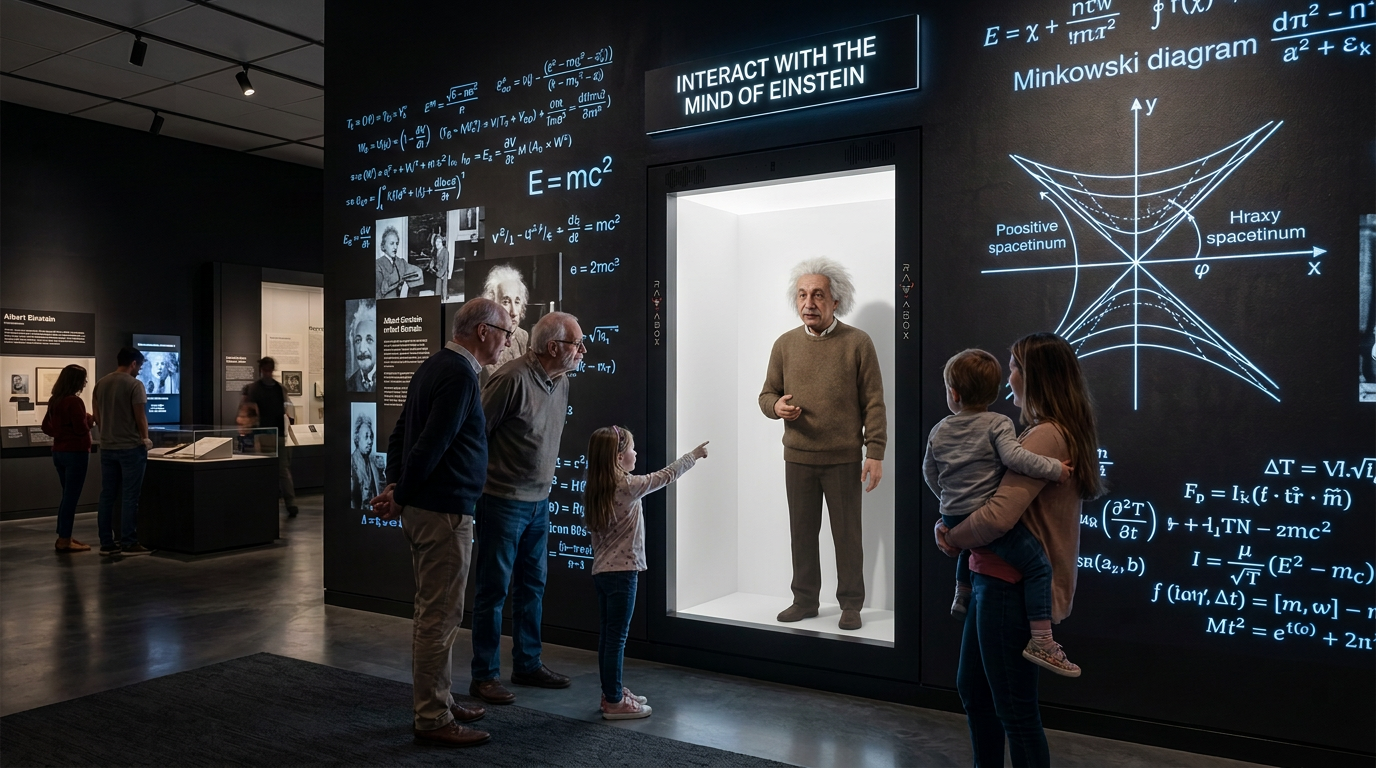
AI historical figures become part of a dedicated learning space designed for school groups, university visits, and public programs.
Visitors gather around a life-size character for a more immersive museum experience, shaped by dialogue, discovery, and direct engagement with the past.
Available AI Historical Figures
for Interactive Museum Exhibits
Museums can select from AI historical figures already available in the Genesis AI Avatar Studio, then adapt each one to the exhibition concept, curatorial voice, and visitor experience. Each character is ready to step into an interactive museum exhibit, with the option to expand the source material, language coverage, or interaction style based on the project.
Howard Carter
Howard Carter brings together archaeology, discovery, fieldwork, and the fascination of ancient Egypt.
Archaeologist and discoverer of Tutankhamun’s tomb

Leonardo da Vinci
Leonardo brings together art, observation, engineering, and imagination.
Artist, inventor, and thinker of the Renaissance

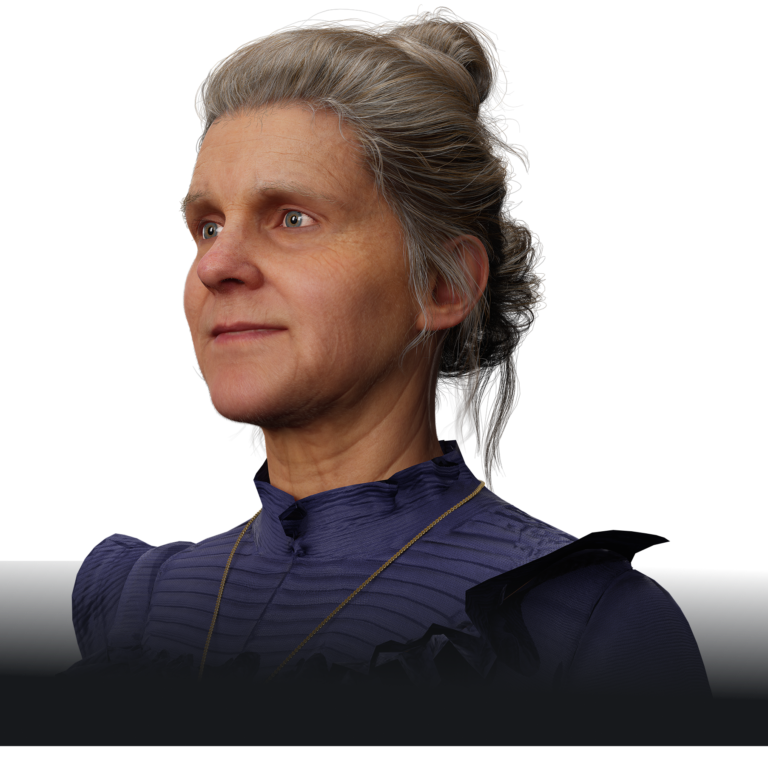
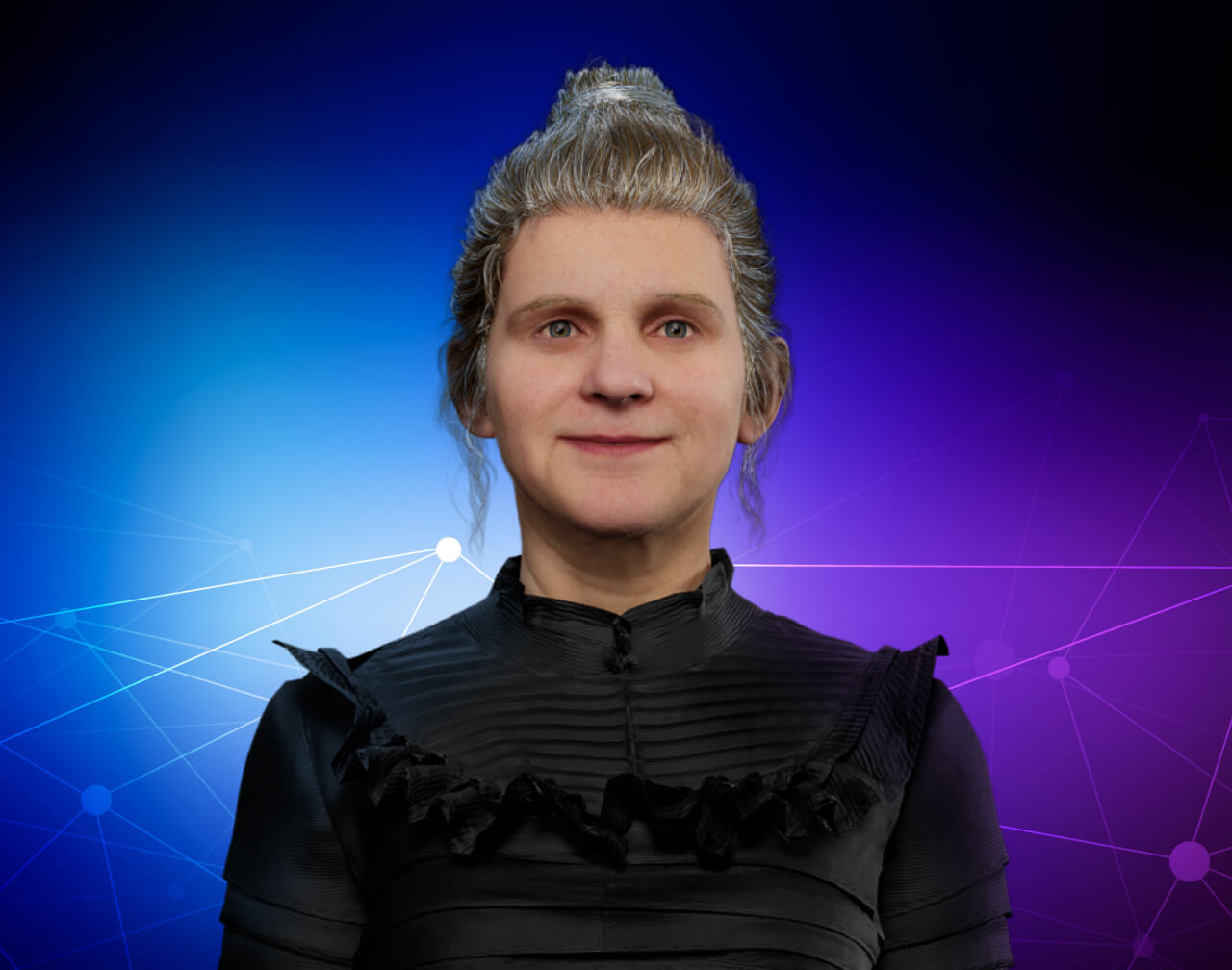
Marie Curie
Marie Curie brings together science, research, perseverance, and discovery.
Physicist, chemist, and pioneer of modern science.
Alan Turing
Alan Turing brings together mathematics, logic, codebreaking, and the early foundations of computing.
Mathematician, codebreaker, and pioneer of modern computing.

Nikola Tesla
Nikola Tesla brings together invention, electricity, engineering, and scientific imagination.
Inventor, engineer, and pioneer of electrical technology.

Holographic Displays
for Interactive Museum Exhibits
Choose the holographic display that fits your interactive museum exhibit. From speaking portraits in framed wall installations to life-size figures and educational installations, each format brings stories, characters, and collections to life in a different way.
HOLOWALL
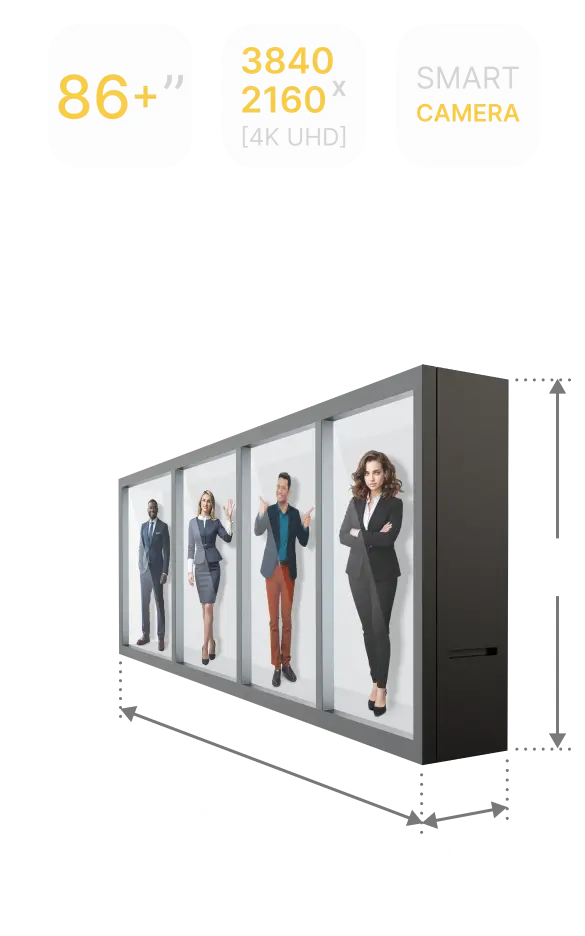
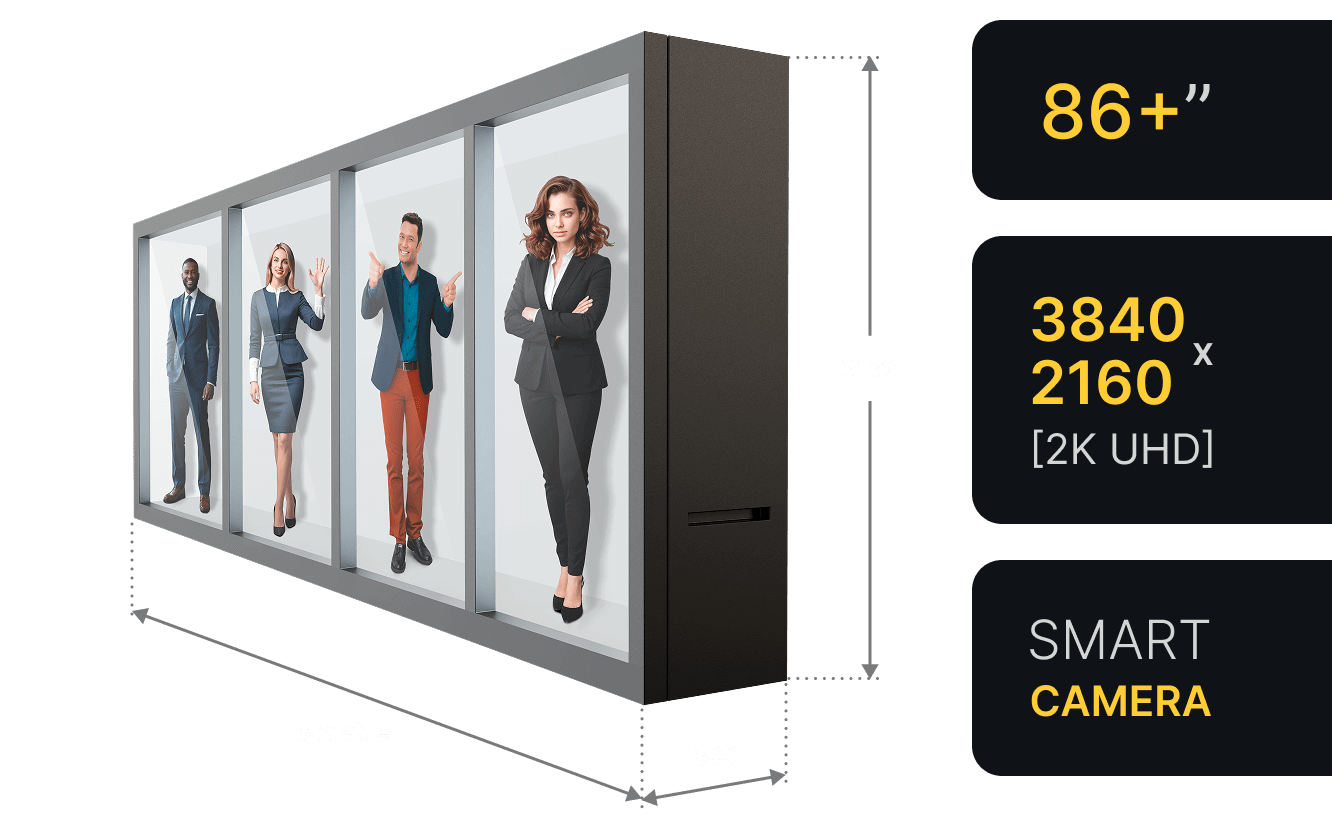
An ultra-wide holographic wall made of multiple tiled 4K displays, designed to render expansive AI Holograms. Best suited for dynamic performances, high-traffic entrances, and multi-avatar showcases.
HOLOBOX L
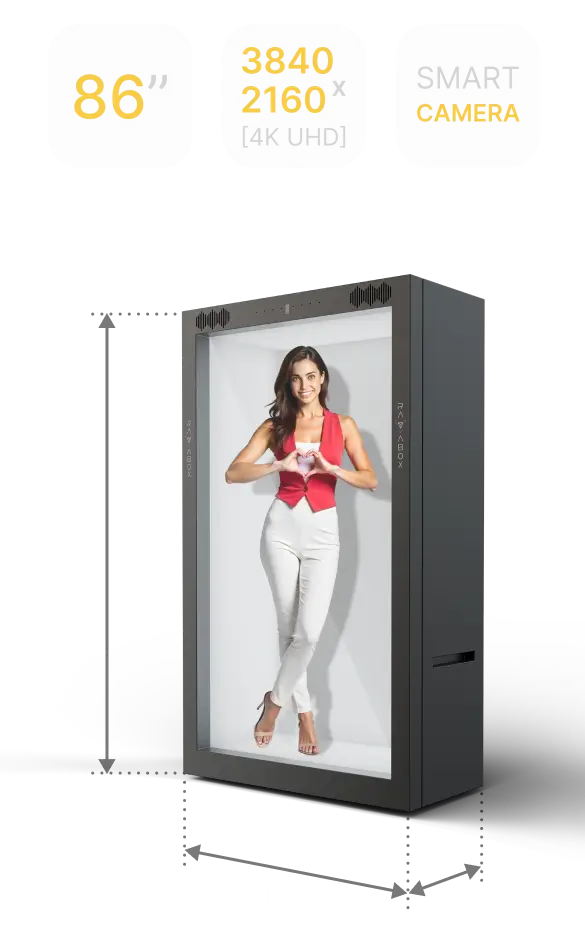
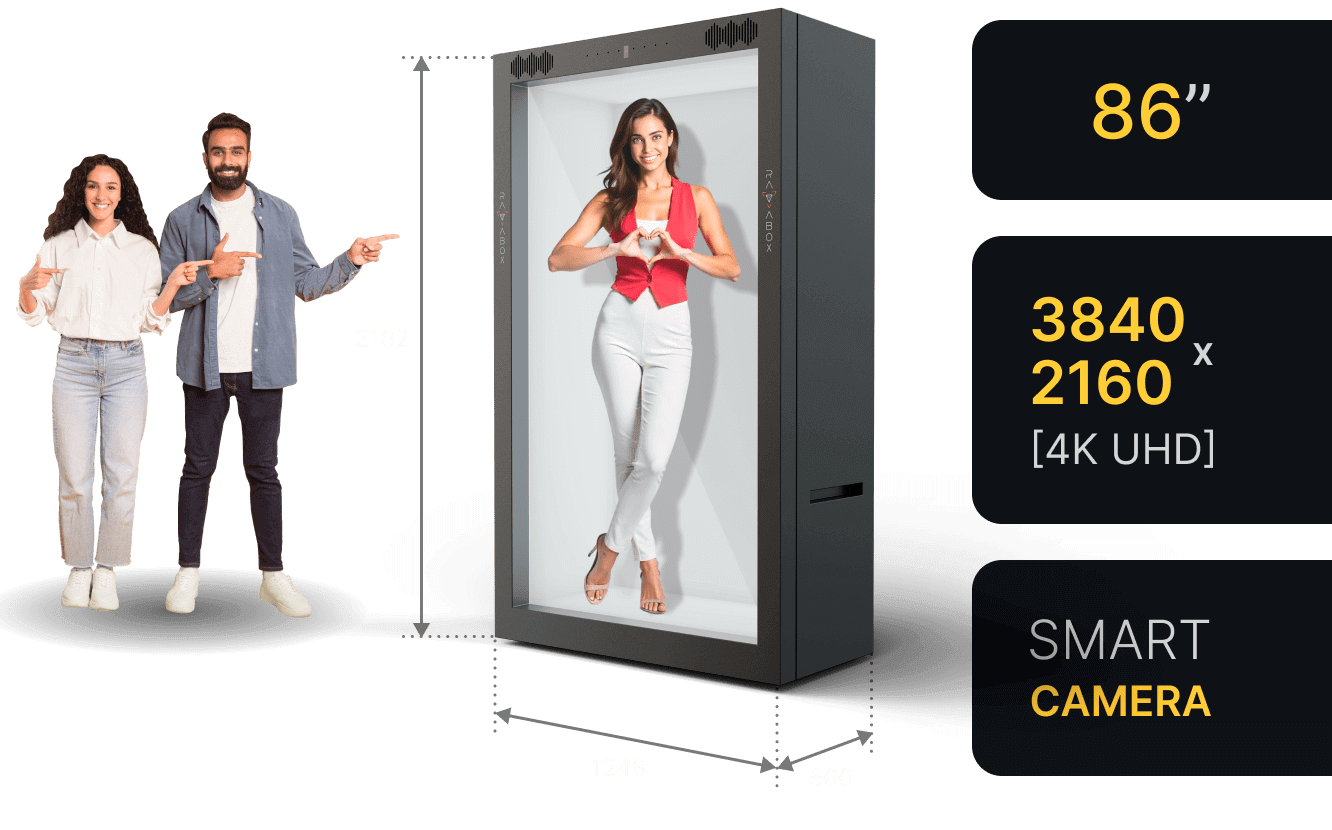
A life-sized holo display to showcase full-body AI avatars. Whether at events, showrooms, or branded settings, it delivers immersive, human-scale experiences that become the focal point in any space.
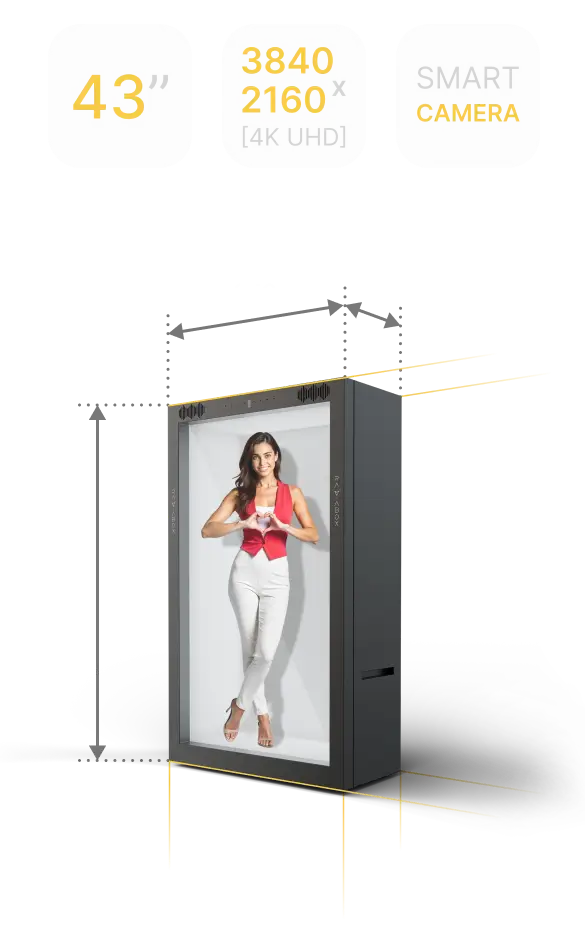
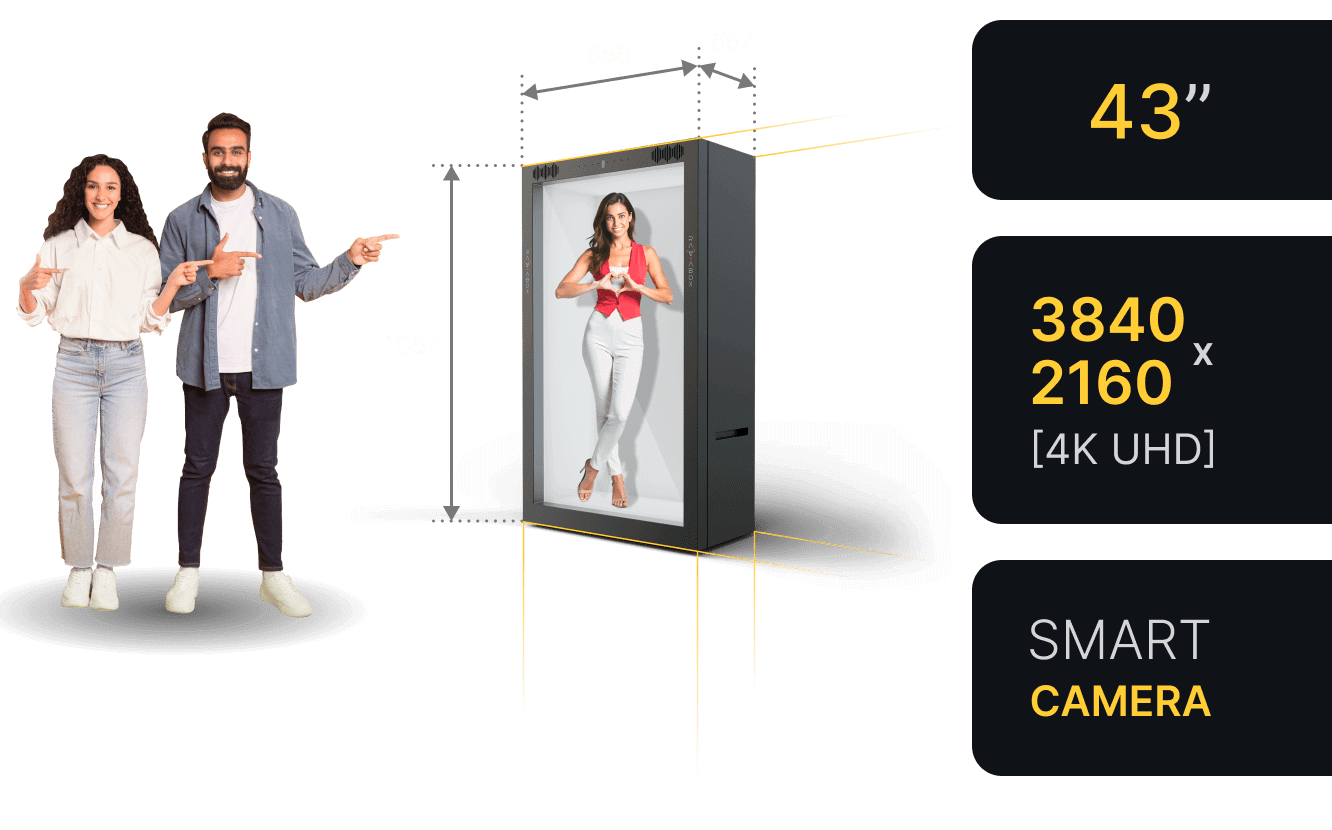
HOLOBOX M
A versatile mid-sized unit designed for mobility and adaptability. Perfect for conferences, exhibitions, and venues that demand both easy setup and distinctive audience experiences.
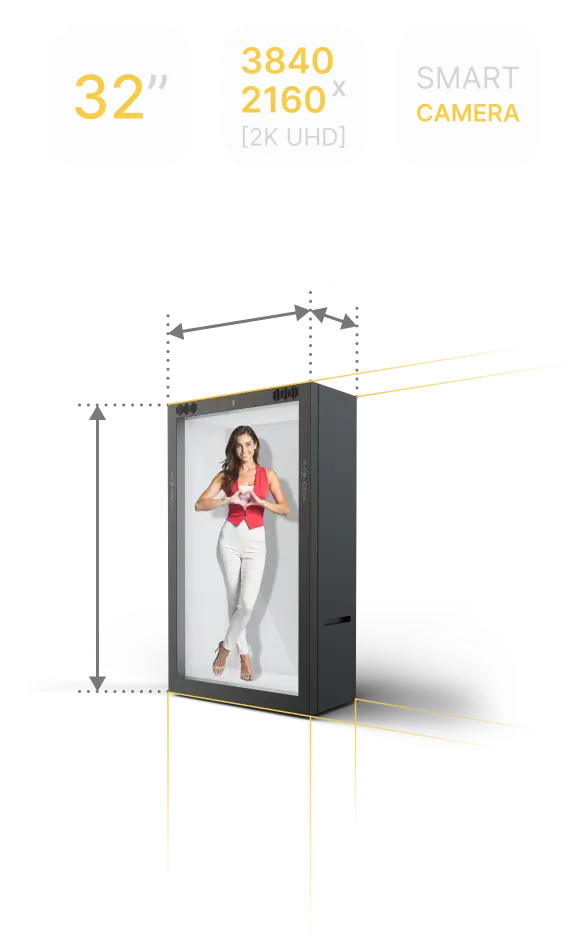
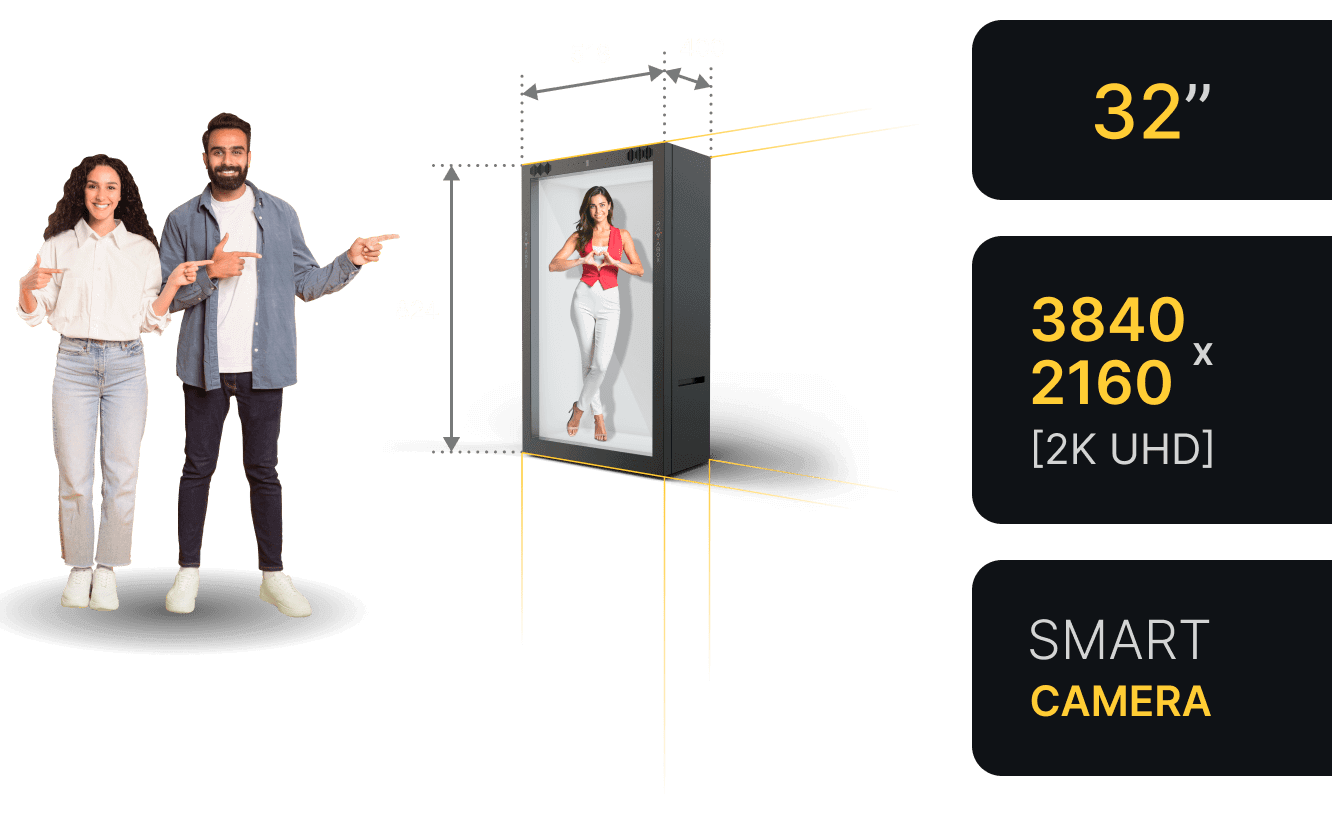
HOLOBOX S
A compact, portable solution designed for retail counters, shelves, and tight spaces. Ideal for high-impact, real-time interactions where footprint is limited but visibility still matters.
Launch an Interactive Museum Exhibit
with Genesis AI Avatar Studio
If you want a custom-designed AI historical figure hologram integrated with your LLM, archive, and brand voice, we can do that. But if speed matters, here’s the fastest route to a fully functional interactive museum exhibit, from setup to spotlight in four clear steps.
Step 1: Choose your format
Decide how the historical figure will appear in your interactive museum exhibit. A speaking portrait. A life-size hologram in the gallery. A conversational guide on a phone. An educational installation. Then choose the output format that fits the project: Holobox for in-gallery display, or widget for web and mobile access.
Step 2: Configure the experience
Set up framing, visual presentation, and character details. Align these settings with the exhibition space, the device, and the intended visitor experience.
Step 3: Preview and refine
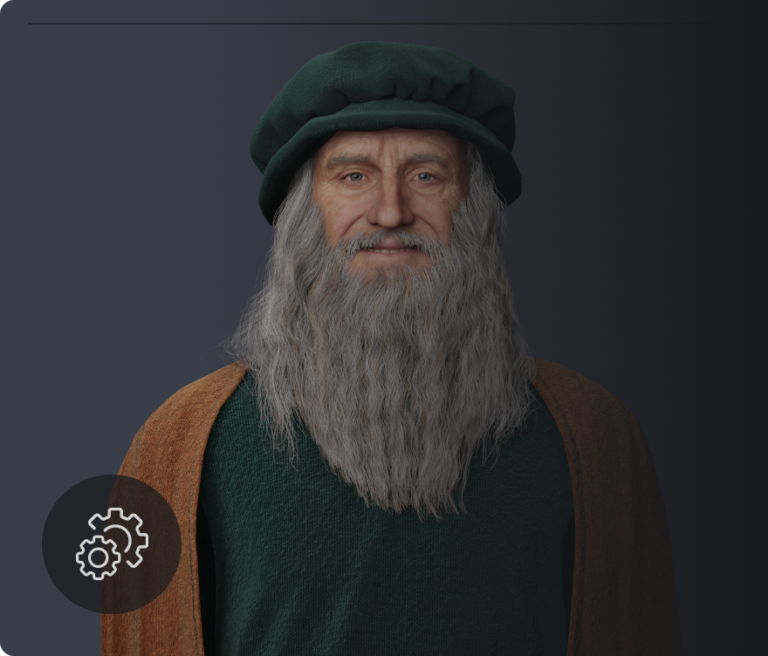
Test the experience before launch and fine-tune the result so it fits the space, the device, and the visitor experience.
Step 4: Launch it live
Once ready, the interactive museum exhibit can go live through a holographic display in the gallery, or be made available as a widget for your website and mobile devices. The same historical figure supports visitors before, during, and after their visit.
Why AI Historical Figures Work
for Interactive Museum Exhibits
Interactive museum exhibits with AI historical figures extend the exhibition beyond the visit. The same character appears in the gallery, on your website, and on visitors’ phones, supporting them before, during, and after they come through your doors. A single historical figure becomes a continuous part of the visitor experience.
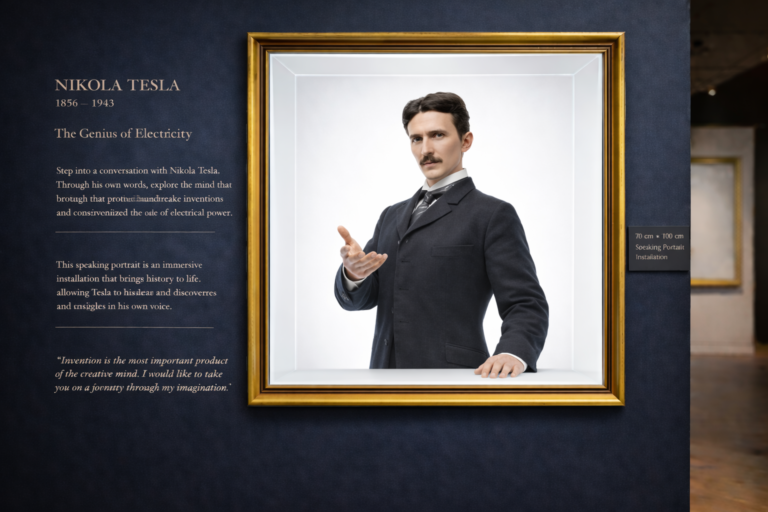
In-Gallery
AI historical figures appear as part of the exhibition itself: speaking portraits, life-size holograms, or immersive educational installations. This creates direct visitor engagement within the museum space and gives the gallery a new layer of interaction.
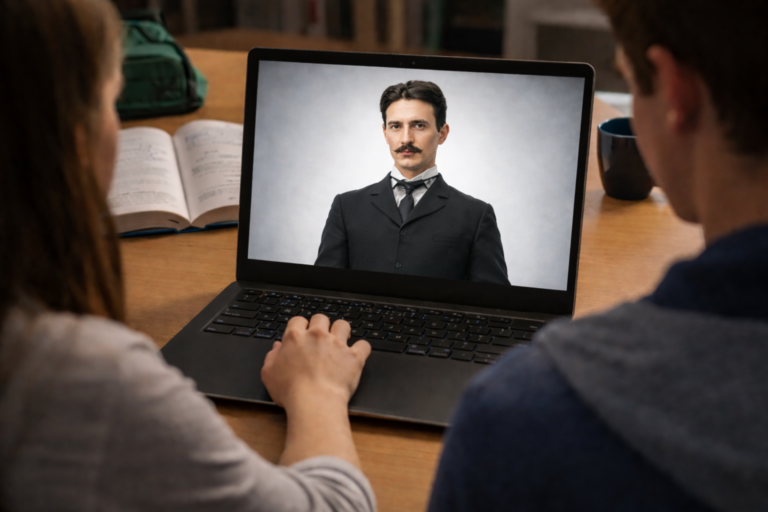
Across Touchpoints
The same character is available through a website or mobile widget, extending the interactive museum exhibit before and after the visit. Visitors can continue the conversation, revisit the experience, and share it with others beyond the museum.
Built Around the Visitor Experience
A New Format for Museum Exhibits
Made for Museum Spaces
Extending Beyond
the Museum Visit
RAVATAR at World-Leading Venues
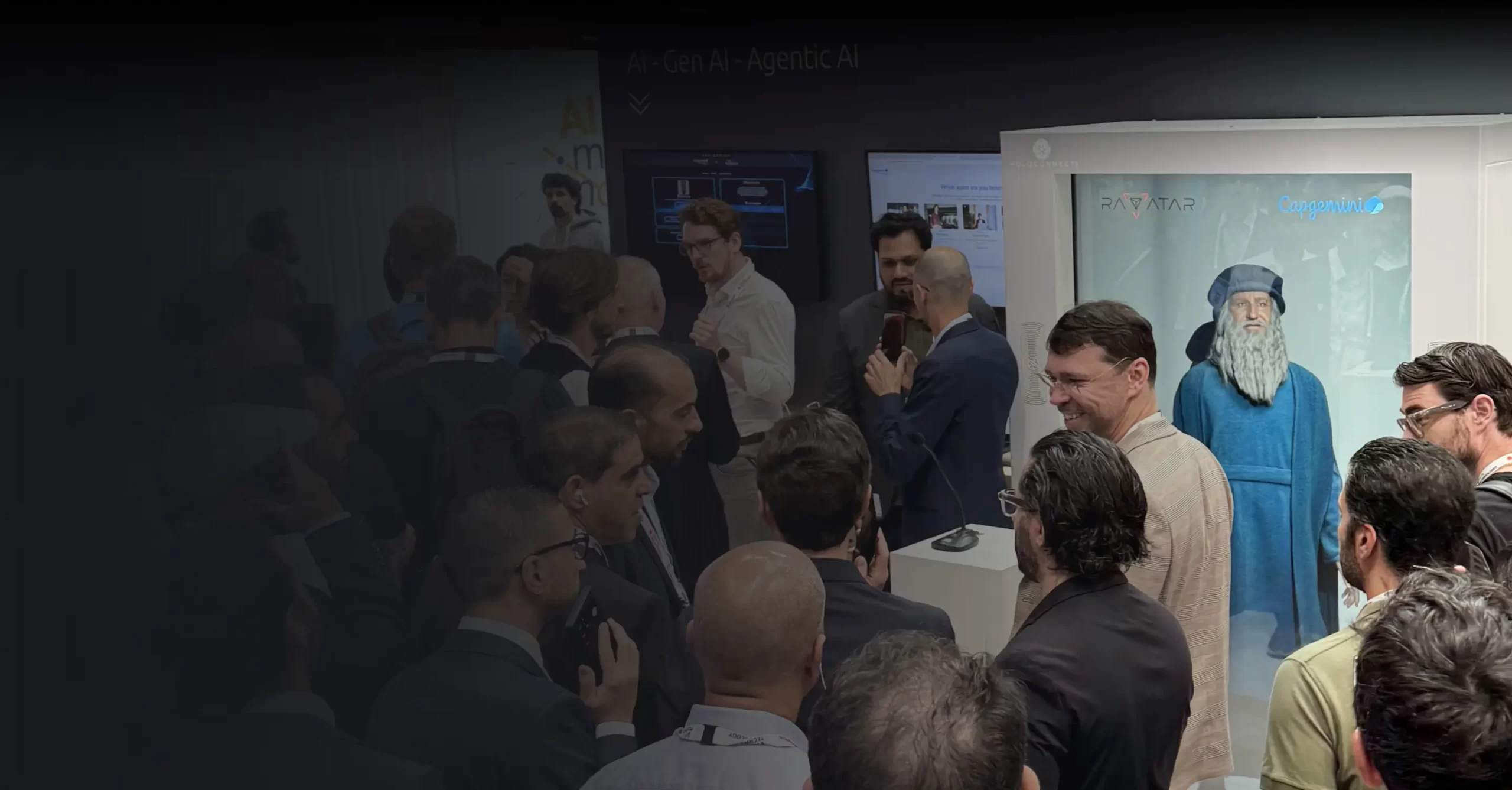
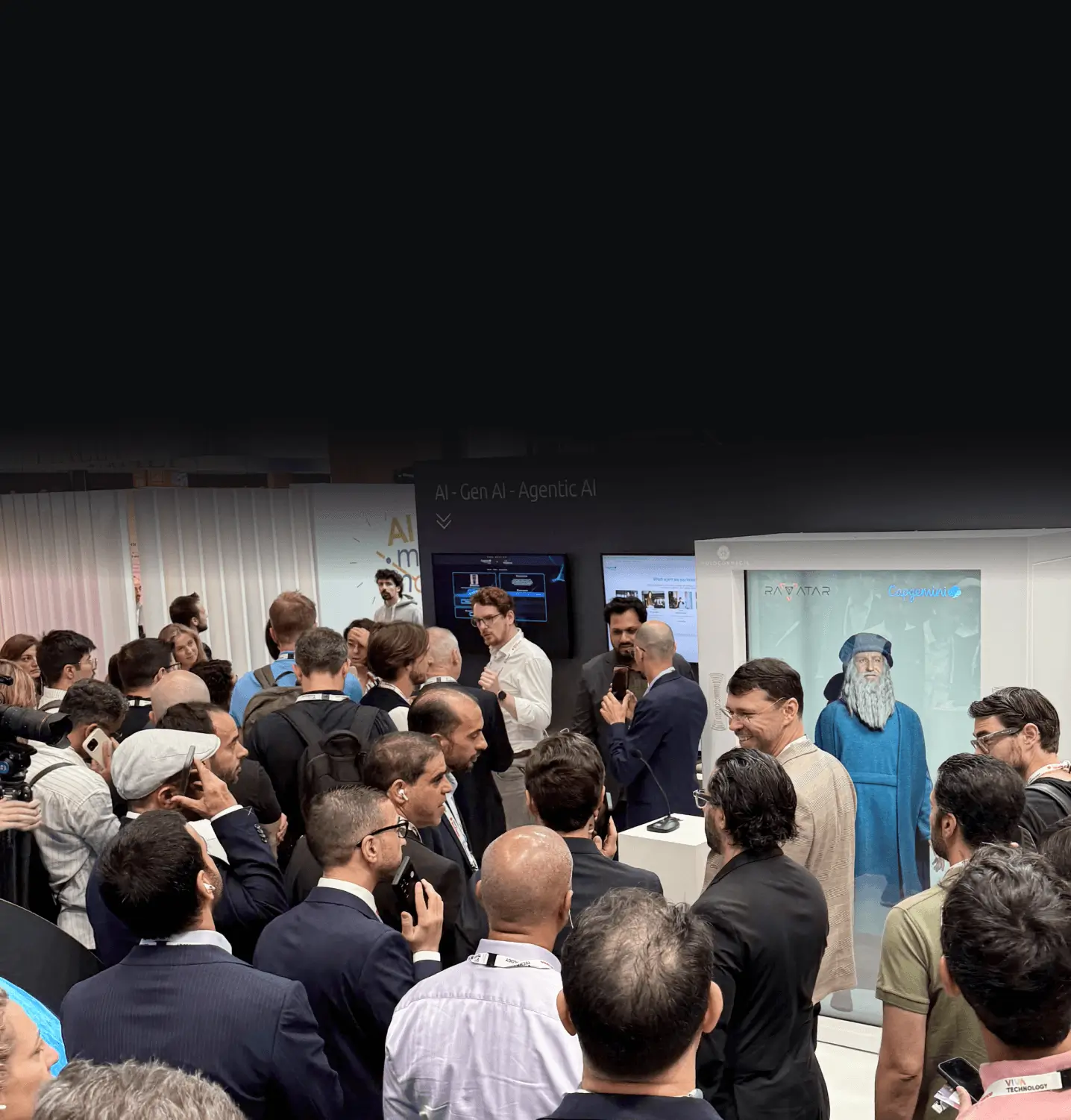
RAVATAR keeps making the rounds at pulse-point industry gatherings, from summits and conferences to expos and everything in between. Wherever people come to launch, pitch, demo, or debate, our AI holograms are right there in the mix speaking, reacting, and turning heads.

Viva Technology,
June 11-14, 2025, Paris, France

Snowflake Summit,
June 2-5, 2025, San Francisco, USA

Porsche AG and STARTUP AUTOBAHN,
September 27, 2024, Ludwigsburg, Germany

Databricks DATA+AI Summit,
June 9-12, 2025, San Francisco, USA

Channel Partners Conference & Expo,
March 24-27, 2025, Las Vegas, USA

AVANT Special Forces Summit,
September 9-12, 2024, Phoenix, USA

Enterprise Connect,
March 17-20, 2025, Orlando, USA

G7 Health Summit,
October 9-14, 2024, Ancona, Italy

Reflect Festival,
June 01, 2024, Limassol, Cyprus

The European Researchers’ Night,
September 27, 2024, Nicosia, Cyprus

2nd Government Customer Experience Summit,
December 10, 2024, Abu Dhabi, UAE

The 250th anniversary of the Guardia di Finanza,
March 20-22, 2024, Rome, Italy
Viva Technology,
June 11-14, 2025, Paris, France
Snowflake Summit,
June 2-5, 2025, San Francisco, USA
Porsche AG and STARTUP AUTOBAHN,
September 27, 2024, Ludwigsburg, Germany
Databricks DATA+AI Summit,
June 9-12, 2025, San Francisco, USA
Channel Partners Conference & Expo,
March 24-27, 2025, Las Vegas, USA
AVANT Special Forces Summit,
September 9-12, 2024, Phoenix, USA
Enterprise Connect,
March 17-20, 2025, Orlando, USA
G7 Health Summit,
October 9-14, 2024, Ancona, Italy
Reflect Festival,
June 01, 2024, Limassol, Cyprus
The European Researchers’ Night,
September 27, 2024, Nicosia, Cyprus
2nd Government Customer Experience Summit,
December 10, 2024, Abu Dhabi, UAE
The 250th anniversary of the Guardia di Finanza,
March 20-22, 2024, Rome, Italy
Our Case Studies





Frequently Asked Questions
How can AI historical figures fit into an exhibition?
AI historical figures can be integrated into interactive museum exhibits in ways that feel natural to the exhibition design. They may appear as speaking portraits, life-size installations, or digital guides that support interpretation, storytelling, and visitor engagement within the broader curatorial narrative.
Can AI historical figures be adapted to our curatorial vision and institutional tone?
Yes. AI historical figures can be shaped around the exhibition concept, institutional voice, and interpretive goals. Their presentation, interaction style, and role in the visitor journey can be aligned with the tone and context your team wants to create.
What kinds of AI historical figures can be created?
Museums can start from an existing character foundation or develop custom AI historical figures tailored to a specific exhibition, collection, or story. The final approach depends on the historical subject, available source material, and the type of interactive museum exhibit you want to deliver.
What formats are available for AI historical figures in museums?
AI historical figures can be presented in several interactive museum exhibit formats: speaking portraits, life-size holographic displays, and web or mobile-based digital guides. This allows museums to choose the format that best fits the gallery, visitor flow, and exhibition design.
Can the same AI historical figure be available outside the gallery too?
Yes. The same AI historical figure can extend beyond the museum space through web or mobile experiences, allowing visitors to engage before the visit, continue learning afterward, or revisit the experience remotely.
Do you provide software for designing interactive museum exhibits?
Yes. Genesis AI Avatar Studio is the software layer that powers our interactive museum exhibits. Museums and exhibition organisers can use it to configure AI historical figures, define interaction flows, set the display format, and prepare each character for in-gallery or online deployment.
Can AI historical figures support multiple languages?
Yes. AI historical figures can be designed for multilingual engagement, helping museums serve broader audiences and create more accessible visitor experiences across different language groups.
Are AI historical figures suitable for temporary exhibitions as well as permanent installations?
Yes. AI historical figures can be developed for temporary exhibitions, touring experiences, educational programs, or permanent gallery installations. The format and deployment can be adapted to the timeline, goals, and scale of the project.
How do we get started with AI historical figures for museums?
The best starting point is to identify the historical figure, exhibition context, and interactive museum exhibit you want to create. From there, the project can be scoped around the right format, interaction model, and deployment option. If you want to create a custom AI historical figure, submit your inquiry through the contact form, and we’ll guide you through the next steps.
How is historical accuracy maintained in AI historical figures?
Each AI historical figure is developed using verified historical sources, scholarly references, and curatorial input to ensure content quality and authenticity. The character’s knowledge, language, and perspective are grounded in documented material, and museums retain editorial oversight to align the experience with their interpretive standards.
Can AI historical figures be updated after deployment?
Yes. AI historical figures can be updated over time to reflect new research, curatorial changes, or evolving exhibition needs. Content adjustments, language additions, and interaction refinements can be made without replacing the full installation, ensuring the experience stays current and relevant.
Can AI historical figures be part of a larger immersive museum experience?
Yes. AI historical figures can be combined with projection mapping, soundscapes, and themed environments to support a fully immersive museum experience. The figure becomes a central element of the storytelling, anchoring the larger sensory and spatial design with a direct, conversational presence.