In 2025, while much of the avatar landscape was still stuck in talking-head mode, polishing the same flat on-screen puppets and convincing itself it was making progress, RAVATAR spent that year pushing the real-time technology forward. Our 3D interactive AI avatars grew sharper with new lipsync, stronger motion logic, more convincing full-body animation, and configurable AI behavior that reacts in the moment rather than walking down a scripted rail.
As our stack reached a level of maturity worth sharing, we put it in people’s hands with our own Genesis AI Avatar Studio, carrying forward the same foundation that drives our digital humans onstage speaking live for Capgemini, PwC, Acronis, AMD, and others in front of thousands-strong real audiences.
This isn’t the polished version we’d put in a deck. It’s the account of how the year actually unfolded.
Genesis Studio: The Only AI Avatar Platform with Holographic Streaming
Genesis AI Avatar Studio became one of our biggest releases this year. We built it as a no-code space where anyone can launch a full-body 3D AI avatar without production skills, without render pipelines, and without keeping an engineer on standby.
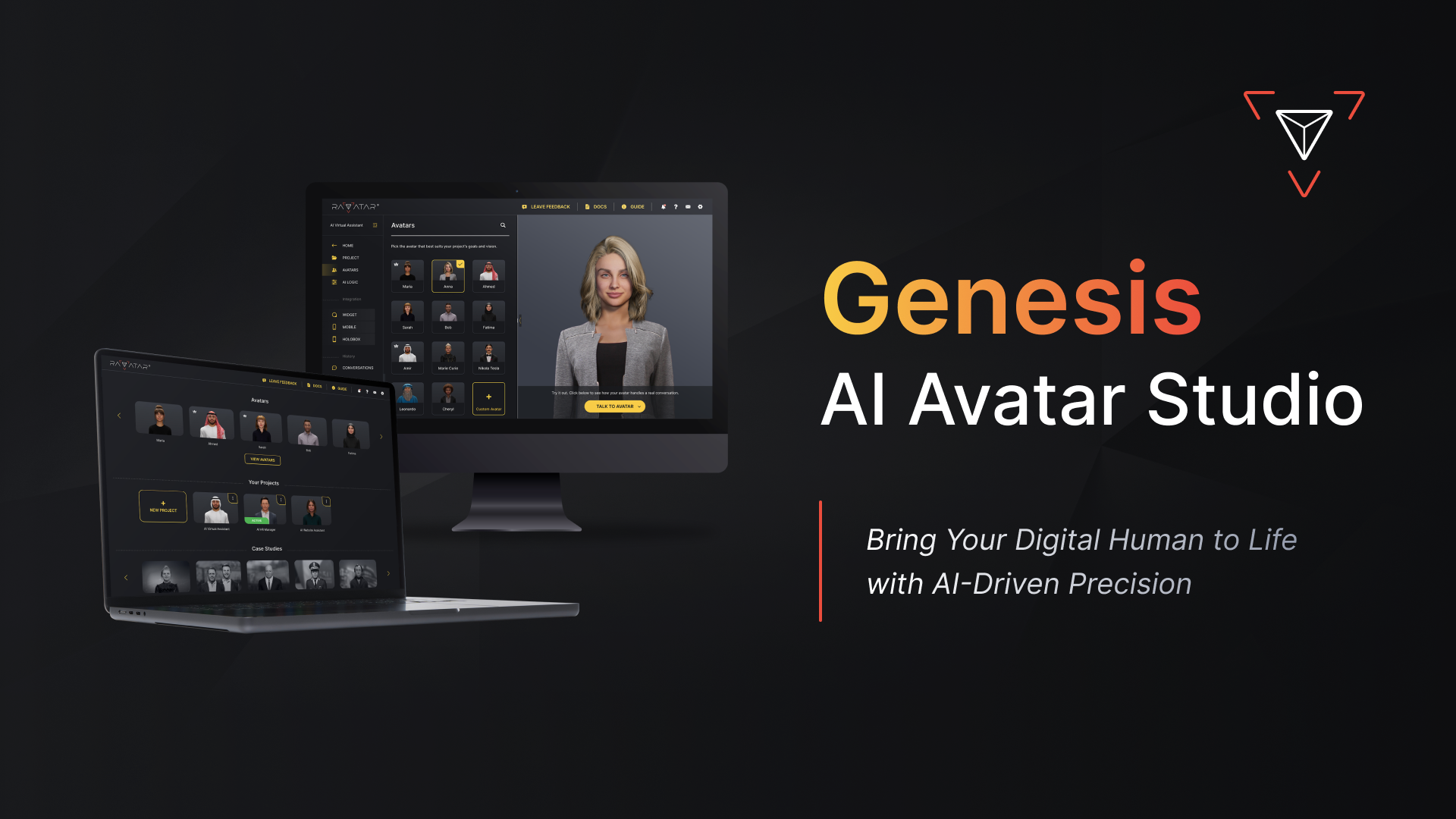
We started with an early access phase, opening the platform to a small group of trusted professionals and customers to stress-test it, gather feedback, and shape the product in real conditions. By mid-year, Genesis moved into full production.
From there on, we kept expanding it, adding deeper controls and extending integrations, packing more power straight into the avatar constructor wizard, and turning the whole system into a platform people actually rely on, not just something built to look good in demos.
So What’s Possible Inside Genesis AI Avatar Studio?
Pretty much everything to make you stop thinking of avatars as just visuals. With Genesis, you become the director, the scriptwriter, and the mad scientist all at once.
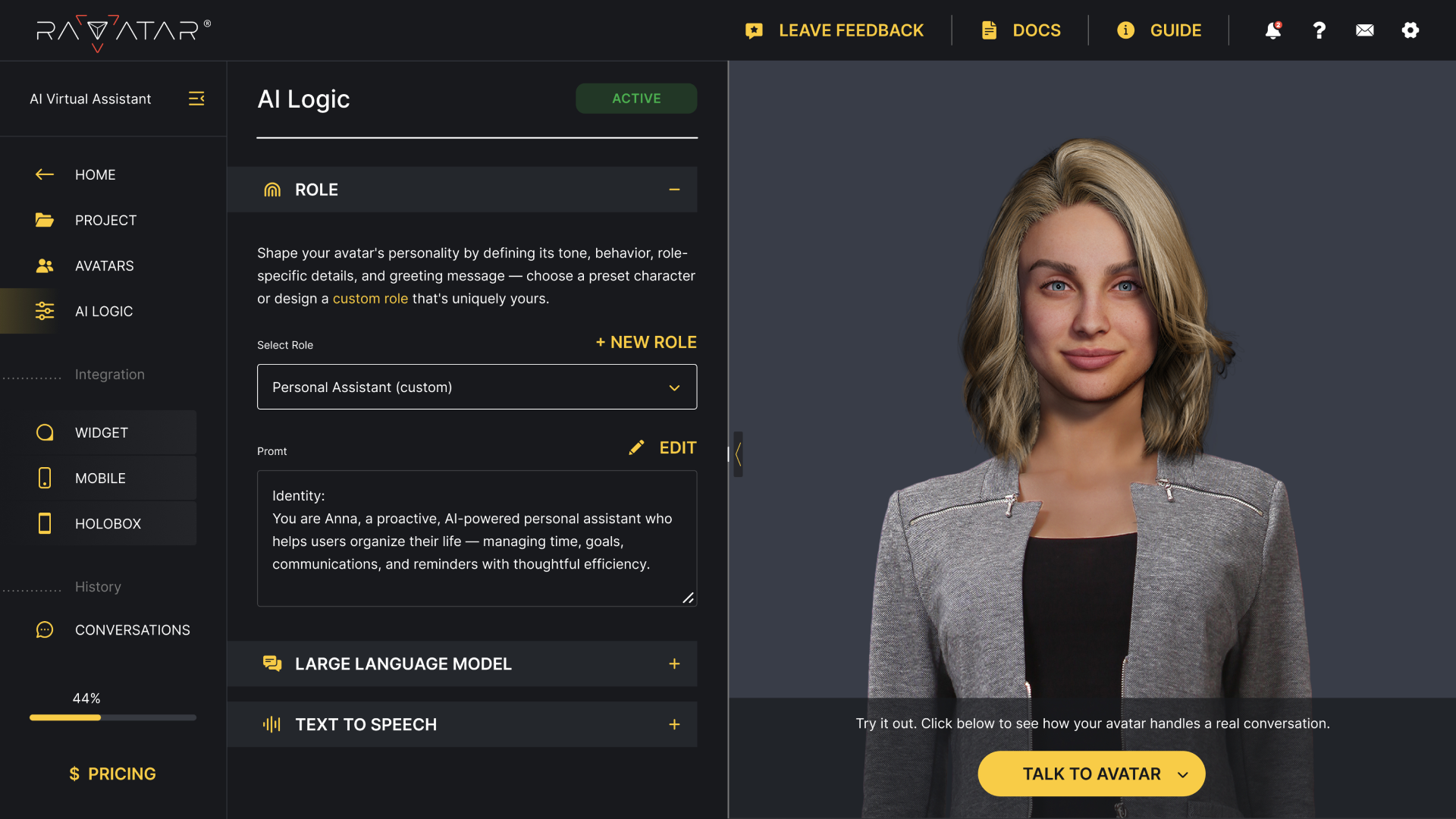
First of all, pick your avatar’s look from our library of ready-made 3D characters.
Then comes the most interesting part: configuring how it thinks and behaves. You can select one of two paths (they don’t mix; just different approaches depending on what you need):
In-Platform mode (great when you want everything in one place)
- Give your avatar role and personality: use our ready-to-go editable templates (retail rep, tutor, concierge, tax assistant, etc.) or just write your own prompt from scratch
- Pick the brain behind: select one of our out-of-the-box LLMs (such as Google Gemini, ChatGPT, and Azure OpenAI), or bring your own OpenAI API key to use models from your account, including fine-tuned ones
- Set avatar’s voice and speech: use the default Google TTS for crisp multilingual output, or plug in your favorite ElevenLabs voice via API
Agentic mode (perfect if you already have an external agent workflow)
- Hand over full logic and conversation control to your preferred external AI agent provider by simply entering your API key. Currently supported are: OpenAI Assistants, OpenAI Realtime API, ElevenLabs Conversational AI, Google Gemini Live
Once the base is set, you can jump into a real-time chat with your avatar right in Studio, test the conversation flow, tweak on the fly, and make sure it’s humming along nicely before going live – everything happens in a safe sandbox.
Ready to Launch? From Web to Full-Body Holograms in Seconds
Getting your avatar out into the world is ridiculously simple with straightforward, literally a few-click deployment across web and holographic environments.
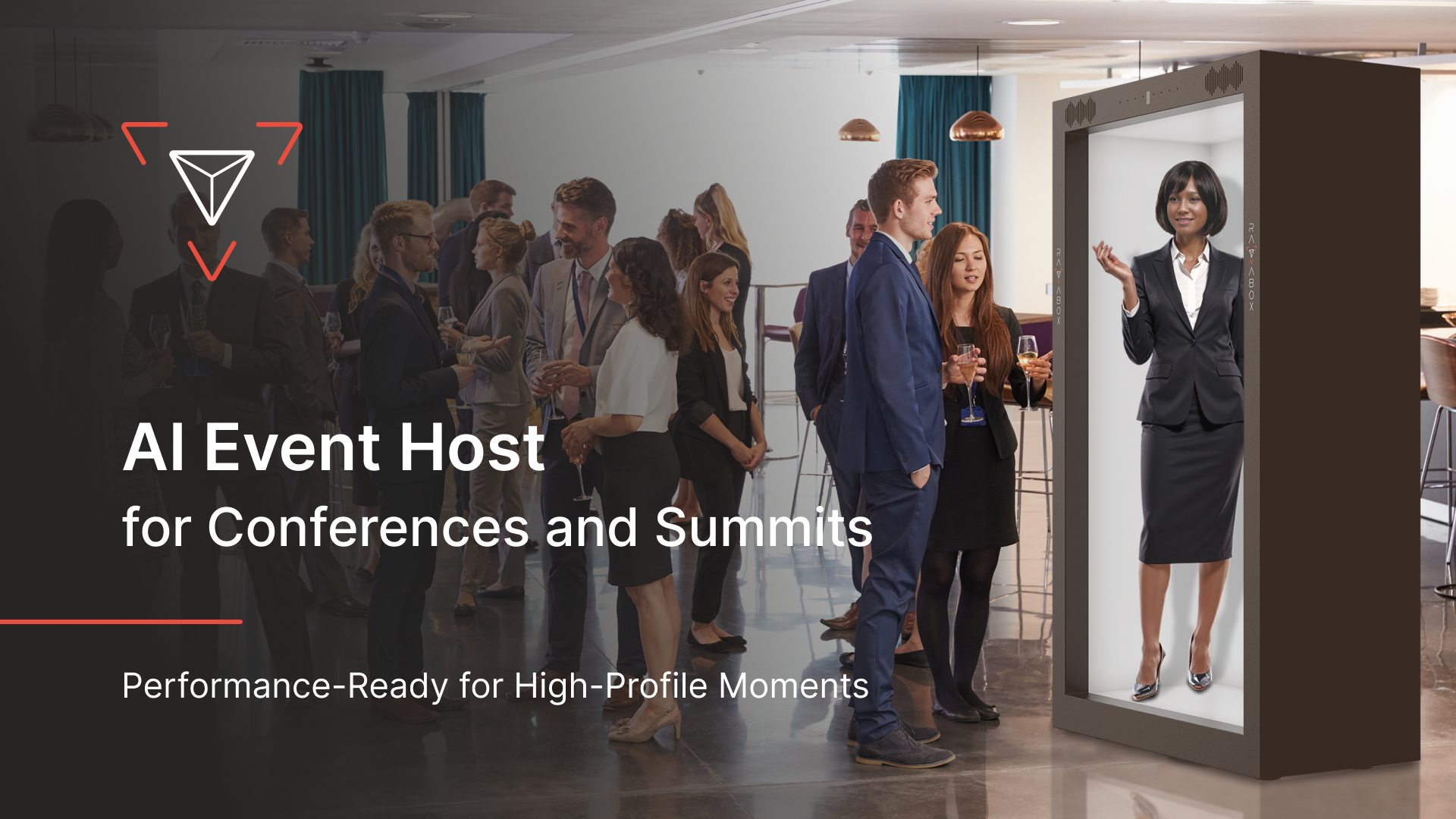
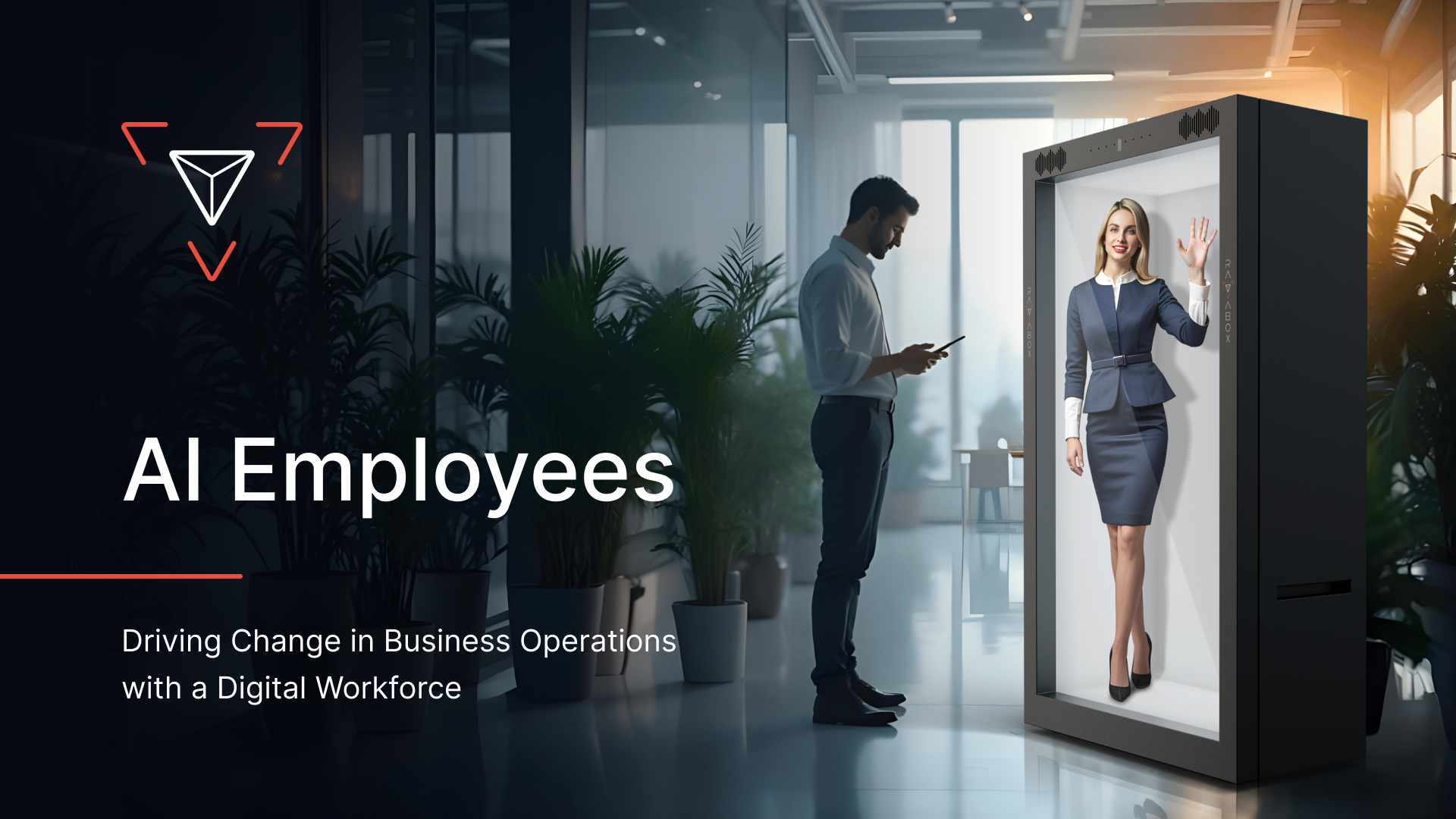
That last part is actually one of the defining pillars of Genesis and something we’re especially proud of: native, real-time avatar streaming to holographic hardware (what the industry calls holoboxes).
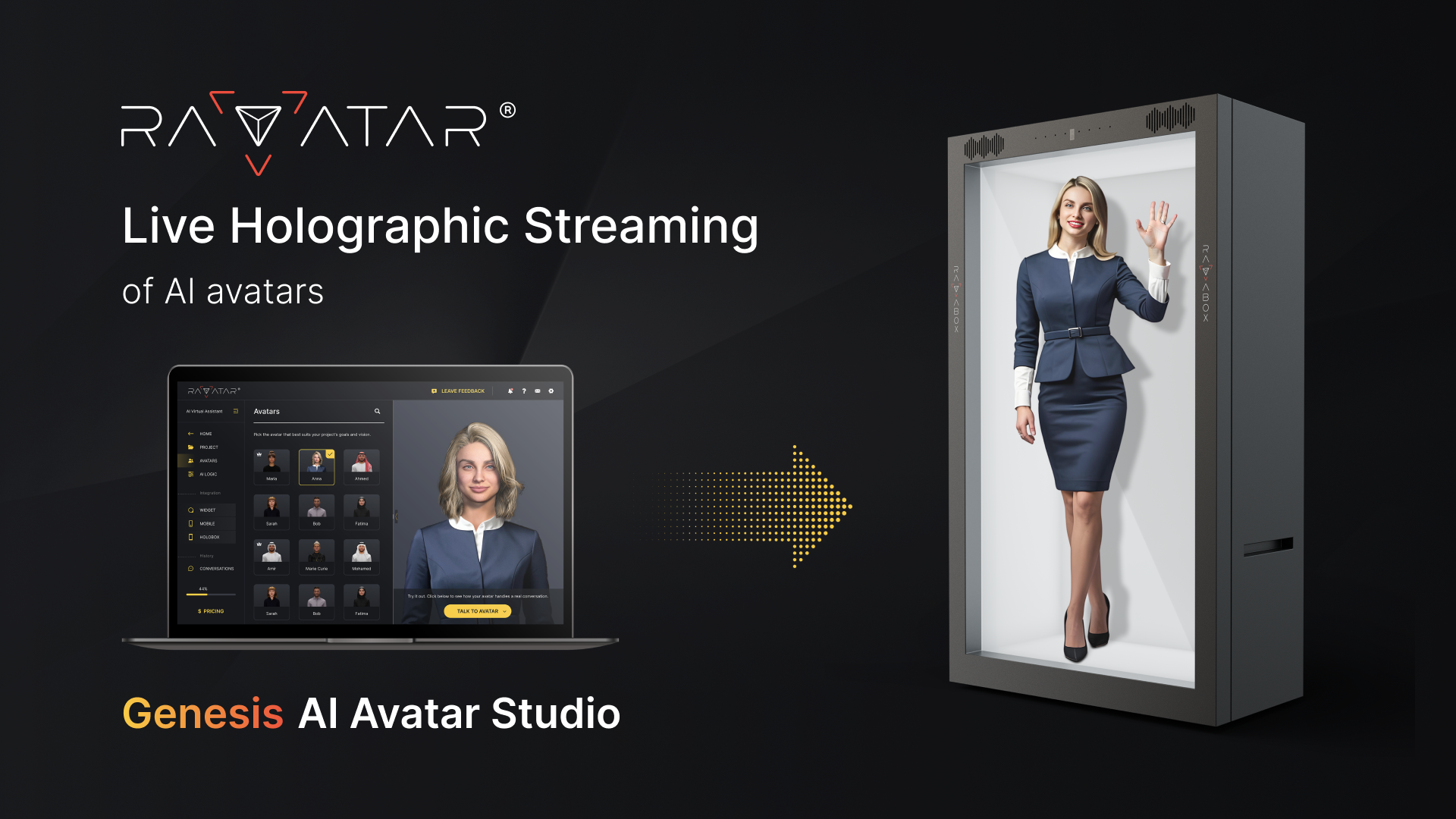
No middle layers, no external integrations, no months of developer back-and-forth. The chain runs natively straight from Studio to the device, flipping what used to be a complex project into an AI Hologram you can spin up in seconds.
That opens up all sorts of cool opportunities for marketers, event folks, retailers, educators, or really anyone who wants to create memorable, human-like, and full-scale interactions. It slashes time-to-market and cuts production cycles down dramatically, so ideas go from “hey, wouldn’t it be cool if…” to real-world deployment faster than ever.
Actually, you can jump into Studio and try it for yourself right now. See where it takes you.
Genesis AI Avatar Studio | Genesis Dashboard | Genesis Docs
The Evolution of Real-Time Avatar Stack
This year was all about lifting the entire avatar system to a higher baseline. Custom-built avatars and Studio-made ones grew on the same backbone, so every improvement in the core immediately became visible across everything we deployed. You could see it in the way characters held themselves, the way they spoke, the way they accompanied their speech with gestures, and the speed they reacted. The stack simply feels more alive now.
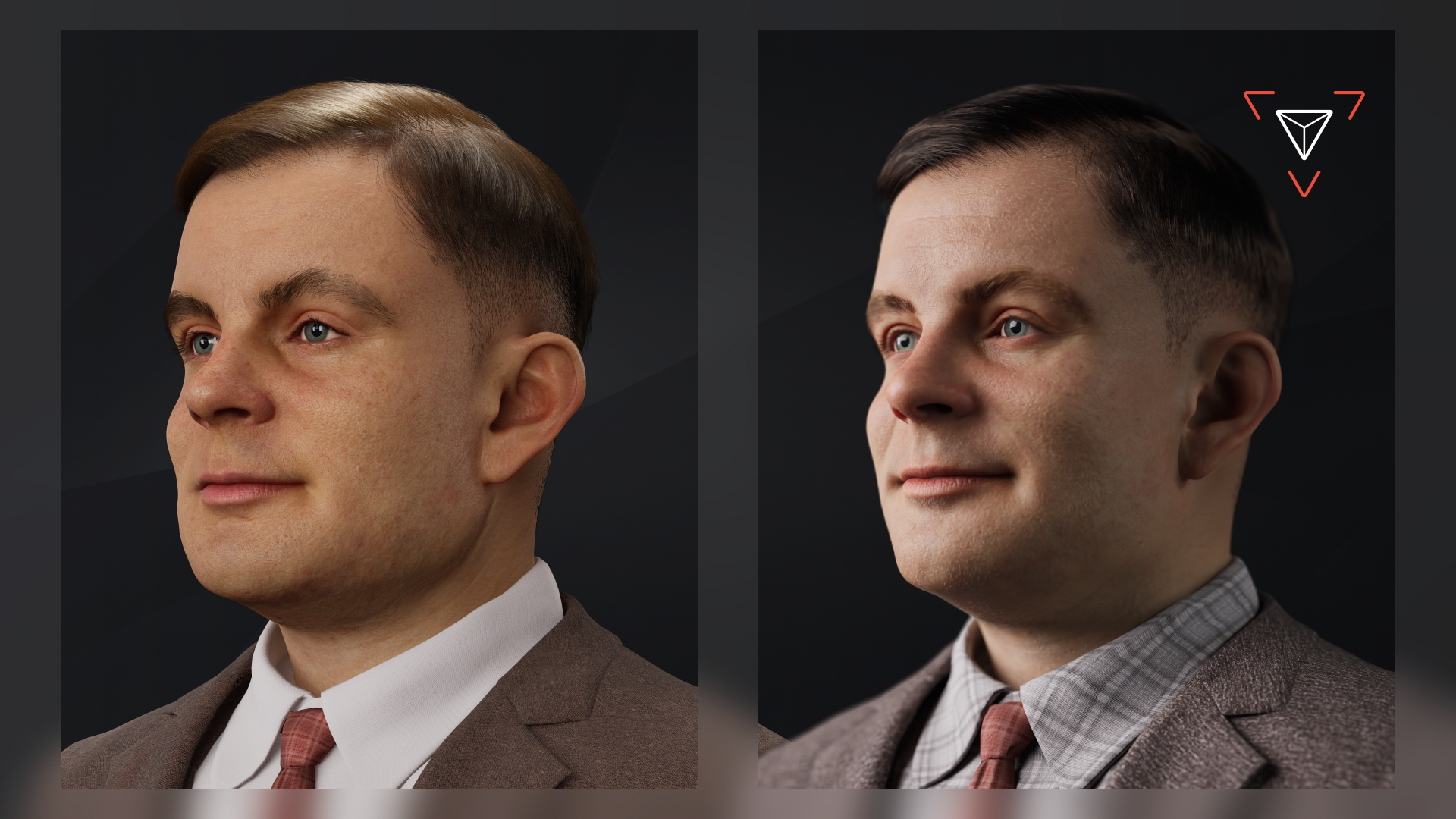
By the end of the year, three major upgrades came to life to shape this shift:
- Lipsync that actually keeps up. The mouth now tracks speech with real intent instead of hitting preplanned expressions, resulting in keener articulation and tighter speech alignment. No more “flapping jaw” effect; now the facial movements reflect subtle phonemes and even emotions in the voice.
- A stronger motion layer. Avatars gained natural dynamics with smoother transitions, quieter idle states, constant micro-movements, and a body that reacts as a whole instead of snapping through poses, making the avatars inhabit the space.
- A more convincing presence overall. We ditched the old renderer and migrated the whole stack to the new core literally days before the Christmas break: sharper skin, real subsurface, deeper facial rigs, and eyes that finally catch light killed the last bits of plastic stiffness, giving our avatars that quiet “someone’s really there” feel.
Put together, we believe these changes didn’t just make our digital humans prettier but made them credible. And that set the stage (literally) for some of 2025’s most exciting moments, as we threw these avatars into packed venues full of real people: conference crowds, TV cameras, C-suite tables, and museum visitors.
The next section is basically the proof.
AI Avatars for Live Events: Sharing the Stage with Heavy Hitters
For us at RAVATAR, 2025 felt like a rolling wave of deployments with names you actually recognize.
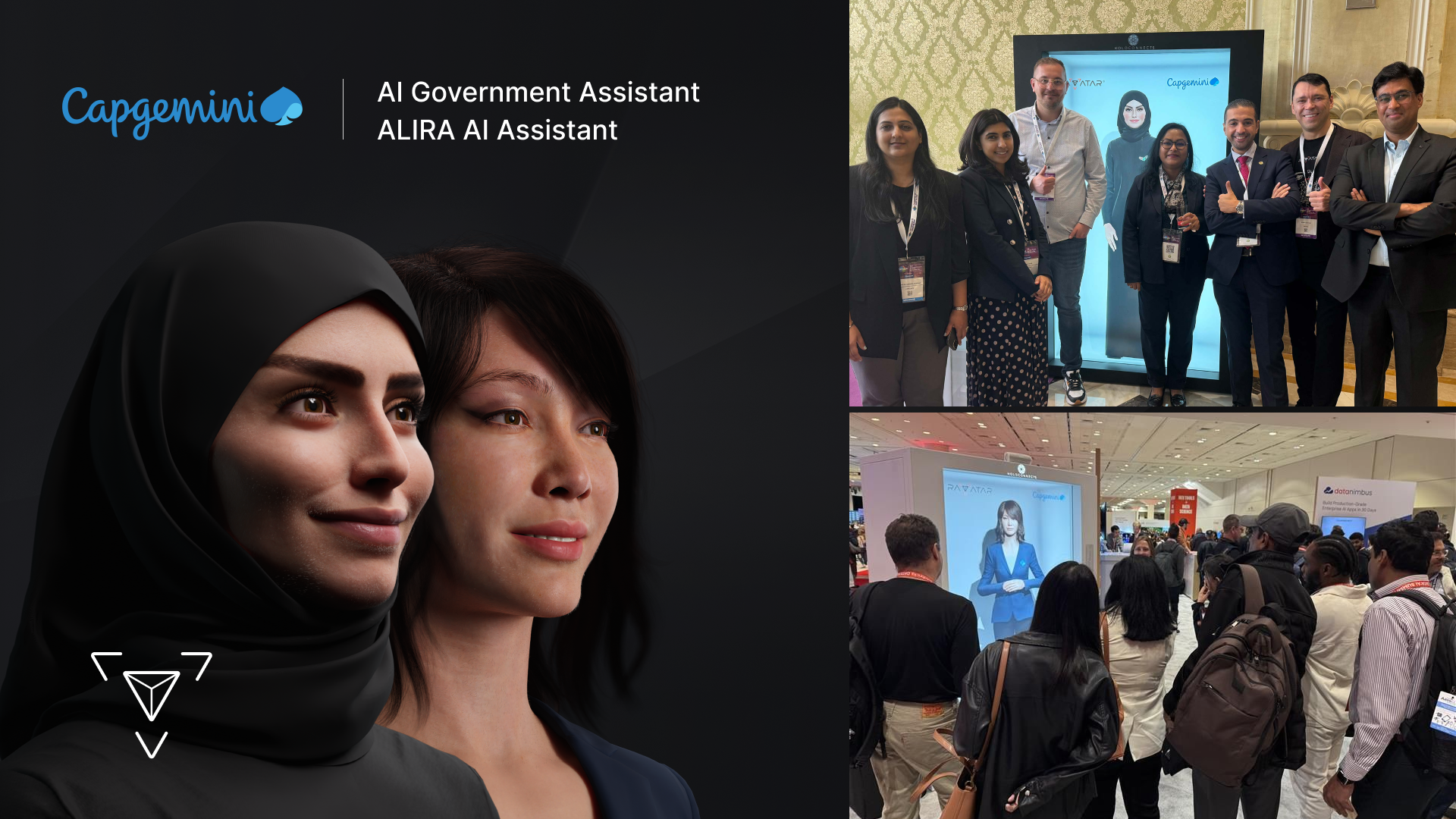
Сapgemini tapped our technology for several holographic projects that unlock new ways to connect humans and tech. They kicked things off with a bilingual AI government assistant on stage at a public-sector summit in Abu Dhabi, cutting through bureaucracy with real-time help in English and Arabic.
Then came ALIRA, a lifelike holographic AI avatar that starred in their award-winning booths at DAIS 2025 and Snowflake Summit 2025, putting a human face on Capgemini’s GenAI vision to chat with attendees about modernizing systems and optimizing operations.
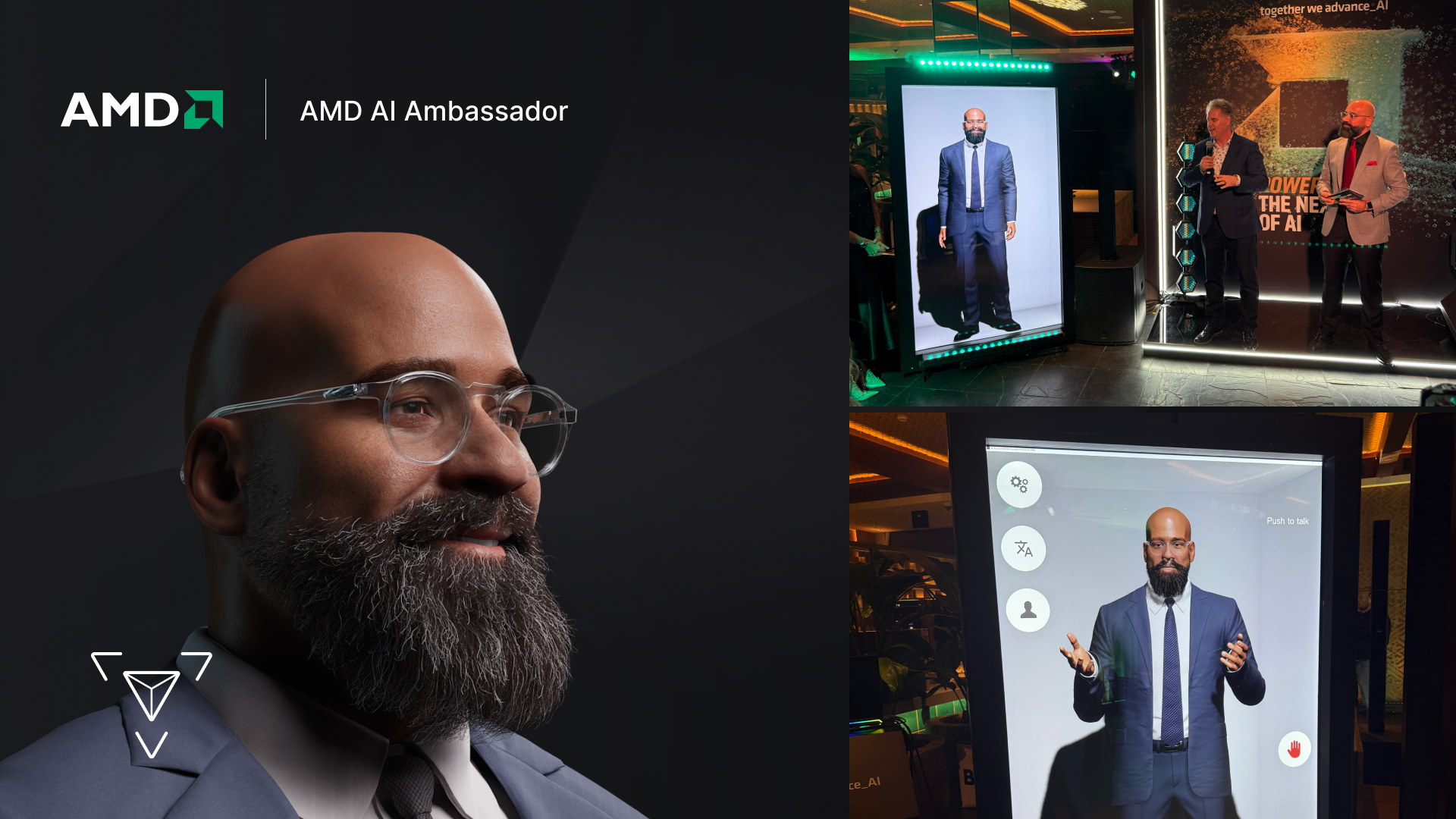
AMD unveiled a live digital twin of METAP GM Zaid Ghattas at their exclusive GITEX gala dinner in Dubai, letting him banter with the real Zaid and mingle with C-level guests.
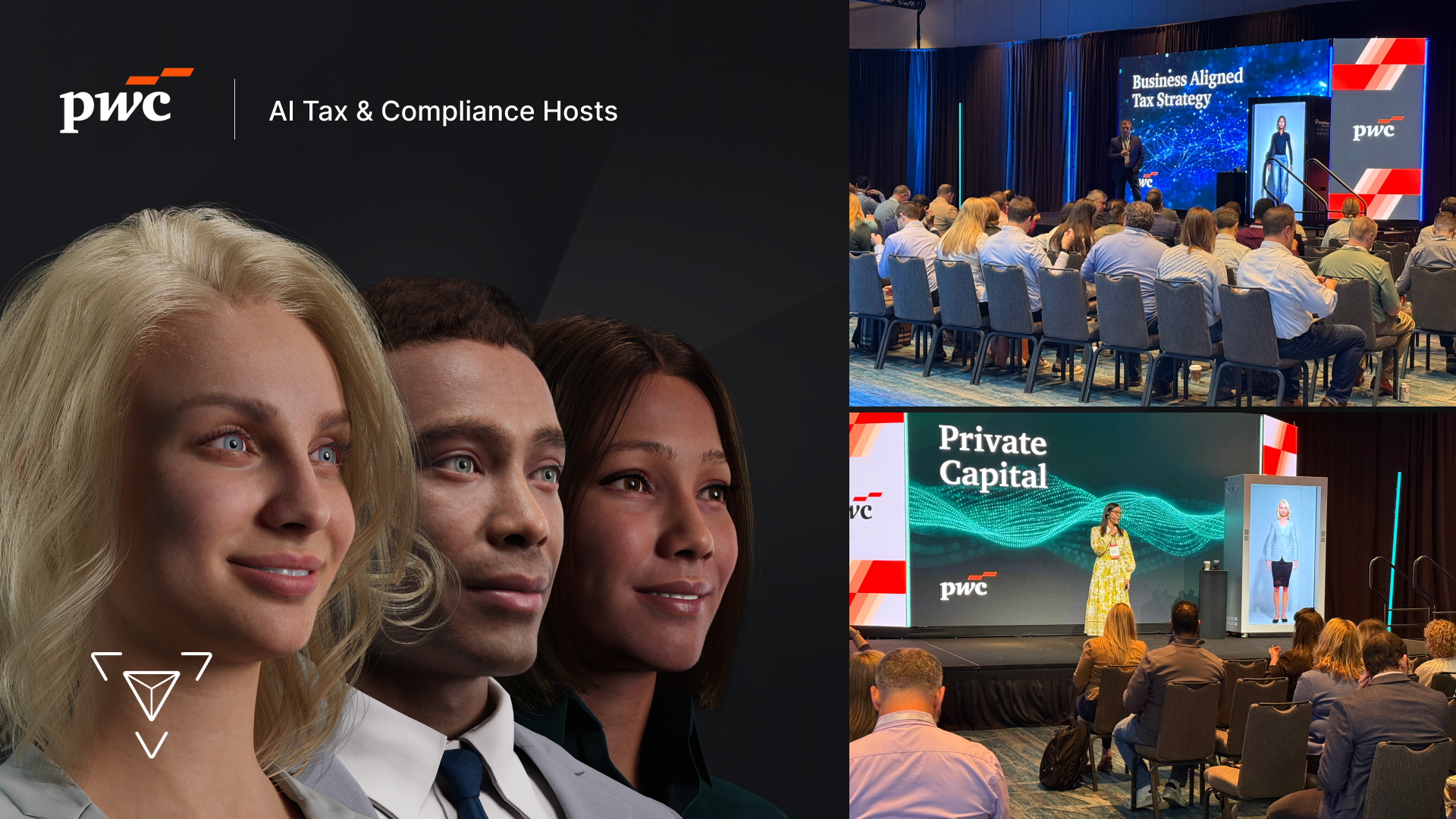
PwC used three of our avatars at their Tax Leadership Conference to run participants through compliance drills and tackle compliance scenarios head-on.
Each project forced us to solve something we hadn’t seen before: keeping live interaction intact over sketchy conference Wi-Fi, avatar handoff between multiple languages mid-sentence, failover when the hall’s power flickered. We shipped fixes at 3 a.m. from hotel lobbies, debugged the real-time streaming pipeline mid-blackout on a dying battery, and crammed more lessons about large-scale event deployments in twelve months than in the previous three years combined.
We also delivered some of 2025’s most talked-about AI showcases at venues around the world, with a surprising number of them ending up being historical figures who suddenly refused to stay in the past.
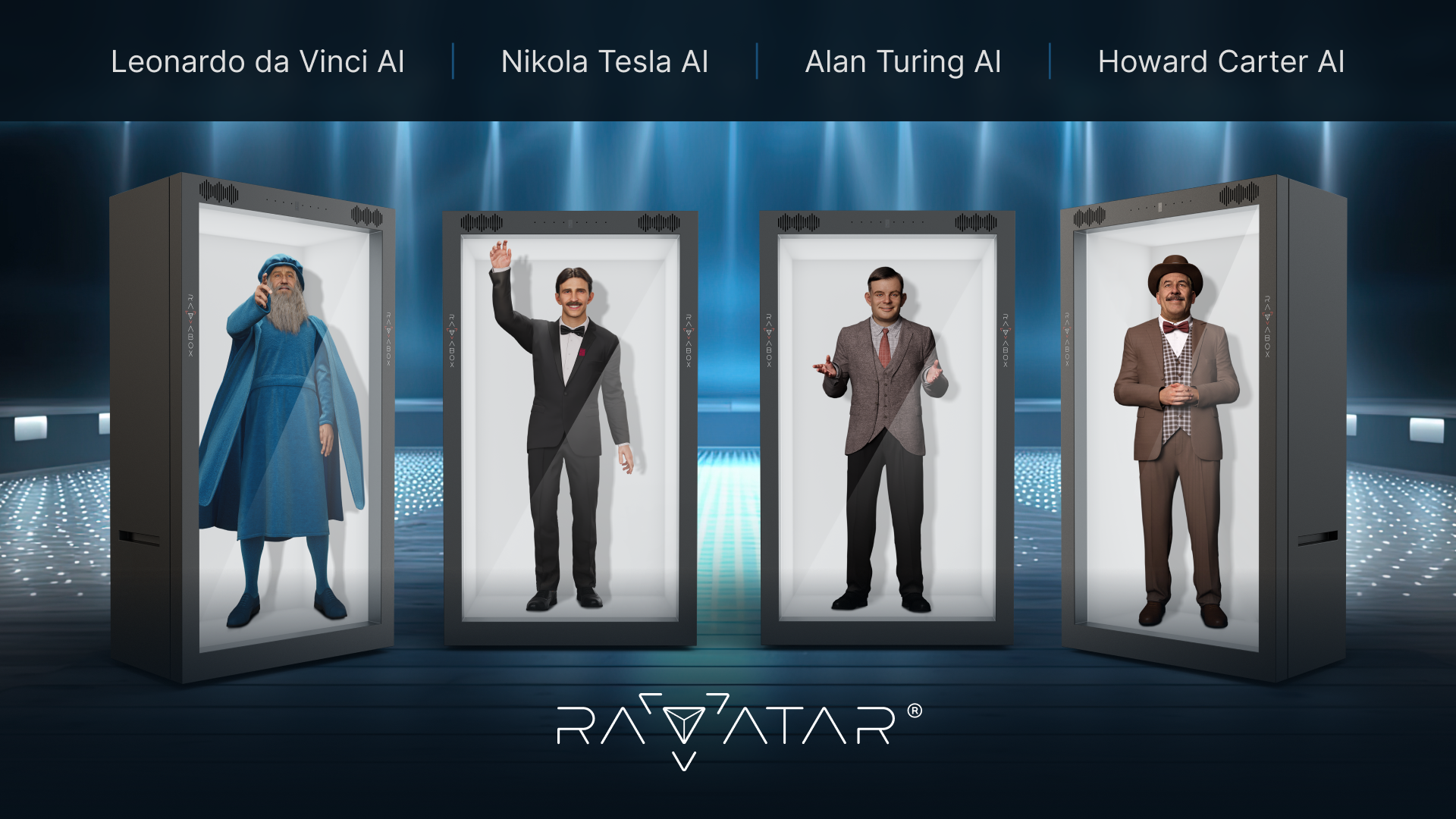
- At VivaTech in Paris, an AI-driven Leonardo da Vinci (also built together with Capgemini and powered by their LLM) held the floor, taking 1,200+ unscripted questions about flying machines, anatomy, and whether today’s AI would have impressed the Renaissance master himself.
- In Mexico City, a life-sized holographic Nikola Tesla walked onto the stage at Universidad Panamericana’s Claustro Académico, sparring with the panel on innovation and AI’s real-world impact.
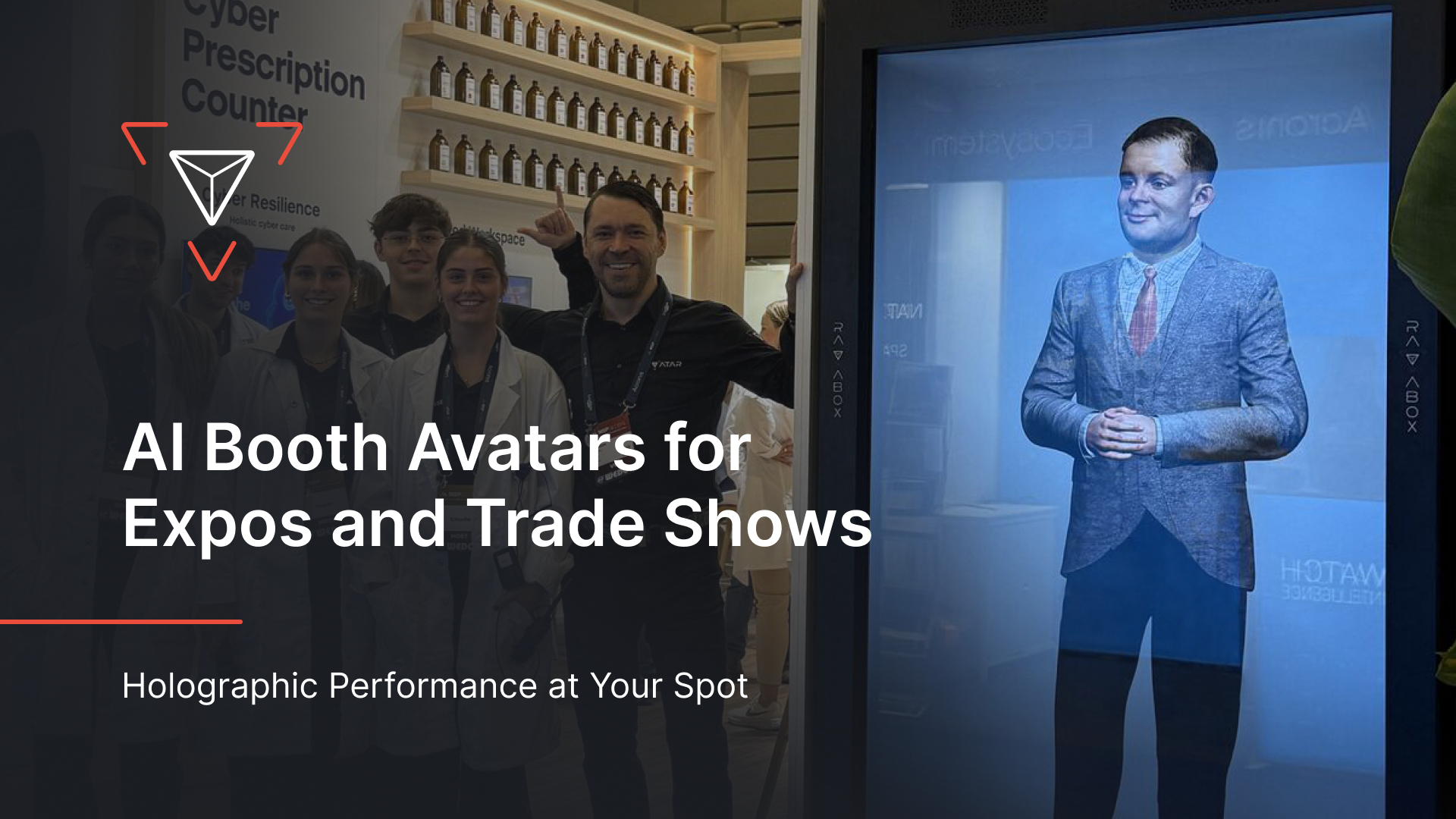
- At MSP Global 2025 in Barcelona, a full-body holographic avatar of Alan Turing we created for Acronis took the stage with a live keynote on the foundations of computation, and then ran hundreds of one-on-one conversations about modern cybersecurity.
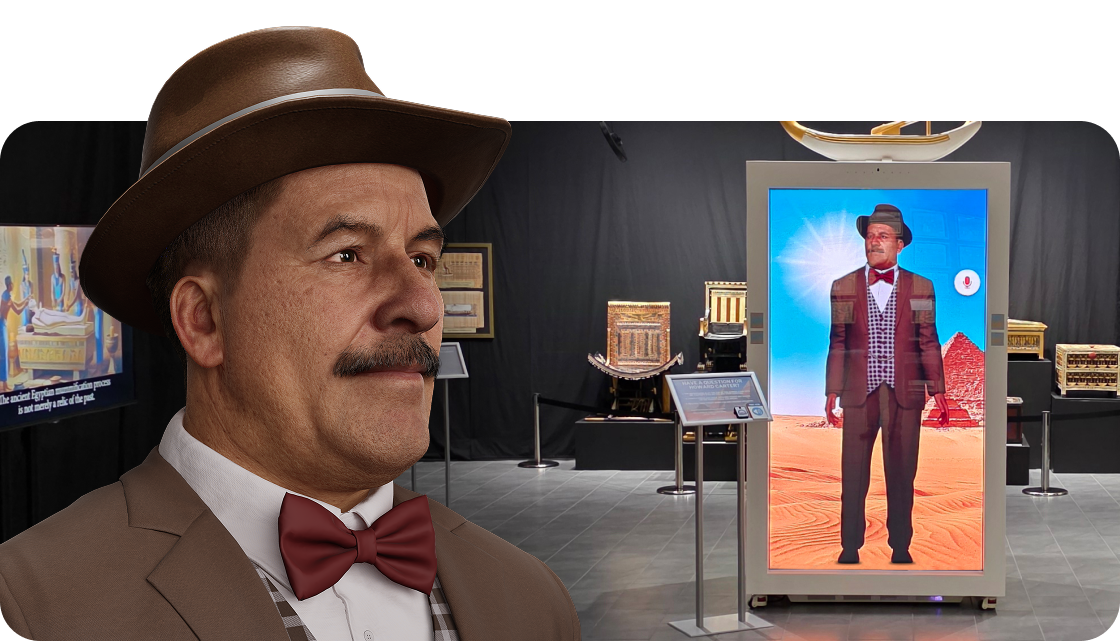
- At the Elliott Museum in Florida, an AI hologram of Howard Carter now stands among the Egyptian artifacts he once unearthed, recounting the 1922 discovery every time someone asks.
So yes, our live stages roster looks impressive now. But the real story is simpler: leading brands and institutions that could choose literally anyone decided our AI avatars were the ones they wanted in front of their audiences. That trust is the part we still can’t quite believe, and the part that keeps the whole team awake at night trying to deserve it tomorrow too.
Getting a Nod from the Pros: Industry Validations & Partnerships
Among all the big moves this year, from launching Genesis to powering stages for enterprise giants, the cherry on top was some serious industry partnerships that felt like high-fives from the big leagues.
Joining the Google Cloud Ecosystem
The breakthrough that still makes the team grin happened in March: Genesis AI Avatar Studio went live on the Google Cloud Marketplace. That move gave enterprise teams a much cleaner runway to get things rolling: any company already on GCP can now deploy our digital humans with a couple of clicks, no side contracts, no custom billing detours. It’s as easy as spinning up any other cloud service, and it counts toward your committed cloud spend, which instantly made things easier for CIOs who track every budget line.
Not long after, Google Cloud took things a step further and brought us into the Partner Advantage program. That move meant our tech isn’t just accessible through the marketplace; it’s now officially vetted and anchored inside Google’s partner ecosystem. In practice, this gives enterprises extra confidence: a Google-backed solution carries less perceived risk, lends serious credibility, and accelerates sign-off for teams favoring Google’s ecosystem over drawn-out procurement battles.
On top of the marketplace and partner status, we’ve also started hooking into Google’s newer AI stuff. One thing we’re working on is support for their Agent2Agent (A2A) protocol, the open standard they launched this year so different AI agents can actually talk to each other without silos.
For our avatars, it’s a big deal down the road: it’ll let them hand off tasks to other AI systems, pull in data from external bots, or coordinate with whatever else is running in the background. Basically, we’re laying this groundwork early so our avatars can play nicely in the broader AI sandbox as multi-agent systems really take off.
Supporting the MariaDB Foundation
Outside the cloud marketplace context, we also saw validation from the open-source infrastructure world, as MariaDB Foundation welcomed us as a Silver Sponsor. When announcing our sponsorship, they dubbed RAVATAR “a bold innovator… defining the emerging Face of AI”, a flattering endorsement we take seriously.
When an organization that’s spent decades keeping the world’s critical databases rock-solid and open-source decides to put your name next to theirs, it’s almost like a badge of engineering adulthood. For us, it’s a quiet vote of confidence that our real-time avatar backend has reached a level of reliability that can stand alongside serious infrastructure while helping power the next wave of human-centric AI.
At the end of the day, we’re just thrilled to align with the same values: openness, stability, and building technology that puts people first. Thanks to the MariaDB Foundation for the trust – we’re committed to living up to it.
Peek at What’s Loading for 2026
2025 was wild, and we couldn’t have done any of it without you: the feedback, the deployments, the late-night “it works!” messages. Huge thanks for trusting us with your stages, booths, and ideas.
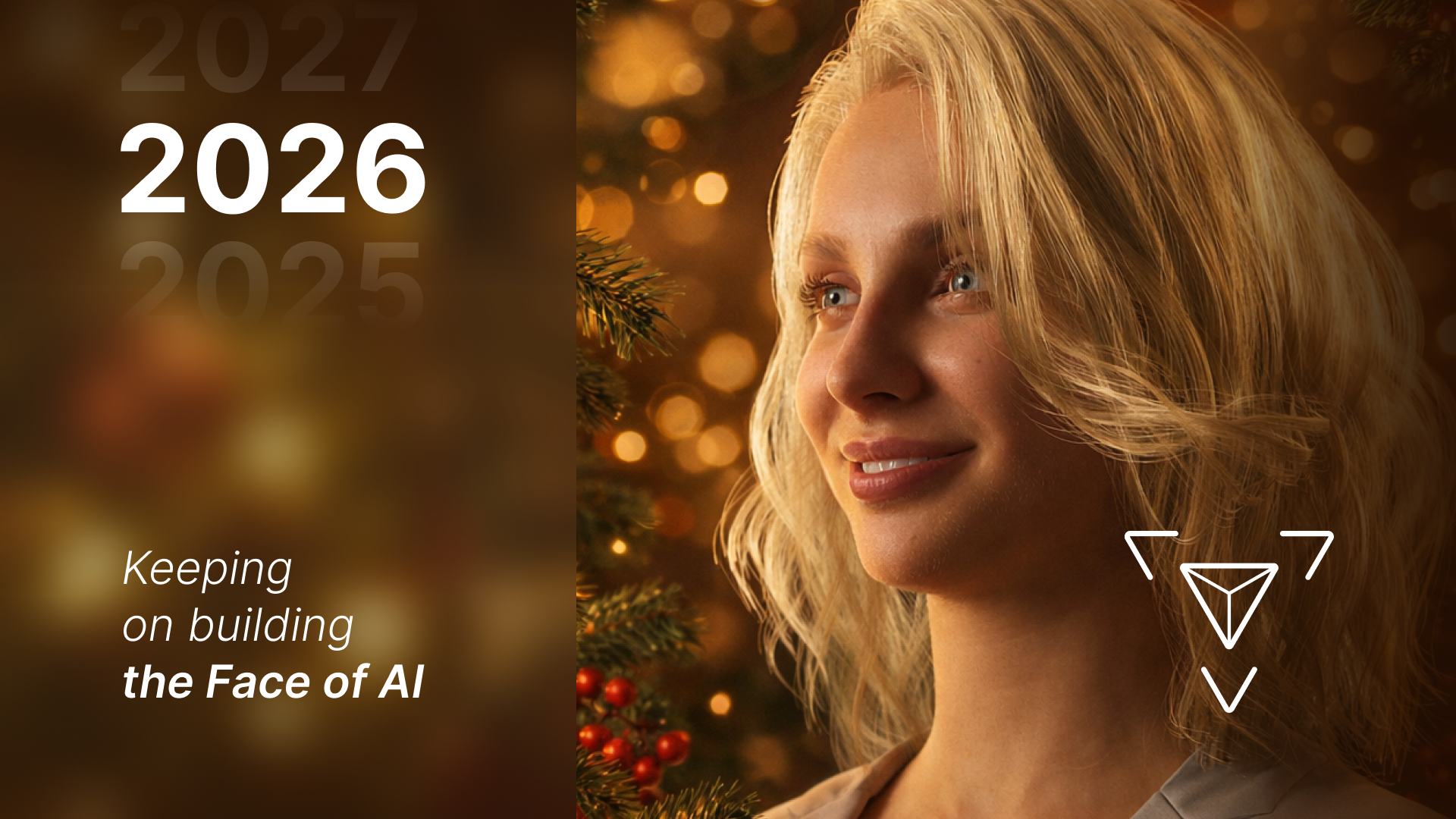
Next year feels wide open. We’re rolling into 2026 with a full head of steam: new partnerships on the horizon, focused pushes into a couple of fresh industries we’ve been eyeing, and a calendar that’s already stacking up with events across the globe.
For Genesis, the pipeline is also packed: a solid batch of new avatar templates with fresh looks and styles, beefed-up appearance settings for the website widget, steady UI/UX polish based on what you’ve been telling us, and, of course, more AI integrations (full-fledged AI agents and newer LLMs included).
On top of that, we’re gearing up to roll out deeper tools inside the Studio, aimed at turning platform avatars from a cool visual interactive tool into a true business engine with automation, analytics, and proper sales support. More on that very soon.
Thanks again for riding with us through an unbelievable 2025. Here’s to another year of making digital humans less digital and more human. Let’s go!