
An interactive avatar is a computer-generated, AI-driven character designed to engage with users in real-time. These avatars dynamically respond to human input (whether it comes via actions, text, or voice) by processing, interpreting, and adapting their behavior accordingly, this way creating a sense of natural, human-like conversation.
Powered by advanced AI algorithms, natural language processing (NLP), and real-time rendering, interactive avatars can answer questions, understand context, and even express emotions through facial expressions and gestures. They often integrate with large language models (such as ChatGPT or similar technologies) to handle complex queries, remember conversation history, and even perform tasks, broadening the possibilities for personalized communication and immersive engagement. This makes them a versatile solution across a range of industries and use cases, from creating lifelike virtual assistants to enhancing brand-customer interactions.
Key Features of Interactive Avatars
The core difference from traditional chatbots or virtual assistants is the visual and behavioral realism: an interactive avatar doesn’t just answer; it “talks” with you, looks at you, and reacts as a person would. This creates a much more dynamic and engaging experience.
Below are the core features that make them effective in real-world use.
| Feature | Description |
| Real-time interaction | Responds instantly to voice or text inputs with natural latency (<2 seconds) |
| Lip-sync & facial expressions | Mouth movements and emotions match spoken words using AI-driven animation |
| Conversational intelligence | Understands context, remembers previous messages, handles follow-ups |
| Multilingual capabilities | Supports 50+ languages with accurate translation and natural-sounding voice |
| Personalization | Can be customized to match brand voice, appearance, or user preferences |
| Multi-platform deployment | Works on websites, mobile apps, kiosks, VR/AR, and holographic displays |
| Task automation | Can book appointments, answer FAQs, process orders, or escalate to humans |
Top Advantages of Interactive Avatars
Interactive avatars are transforming how people interact with digital services. They go far beyond simple chatbots by delivering real-time, human-like conversations that feel natural and personal. Brands and businesses worldwide already use them to improve customer experience, cut costs, and handle high volumes of interactions.
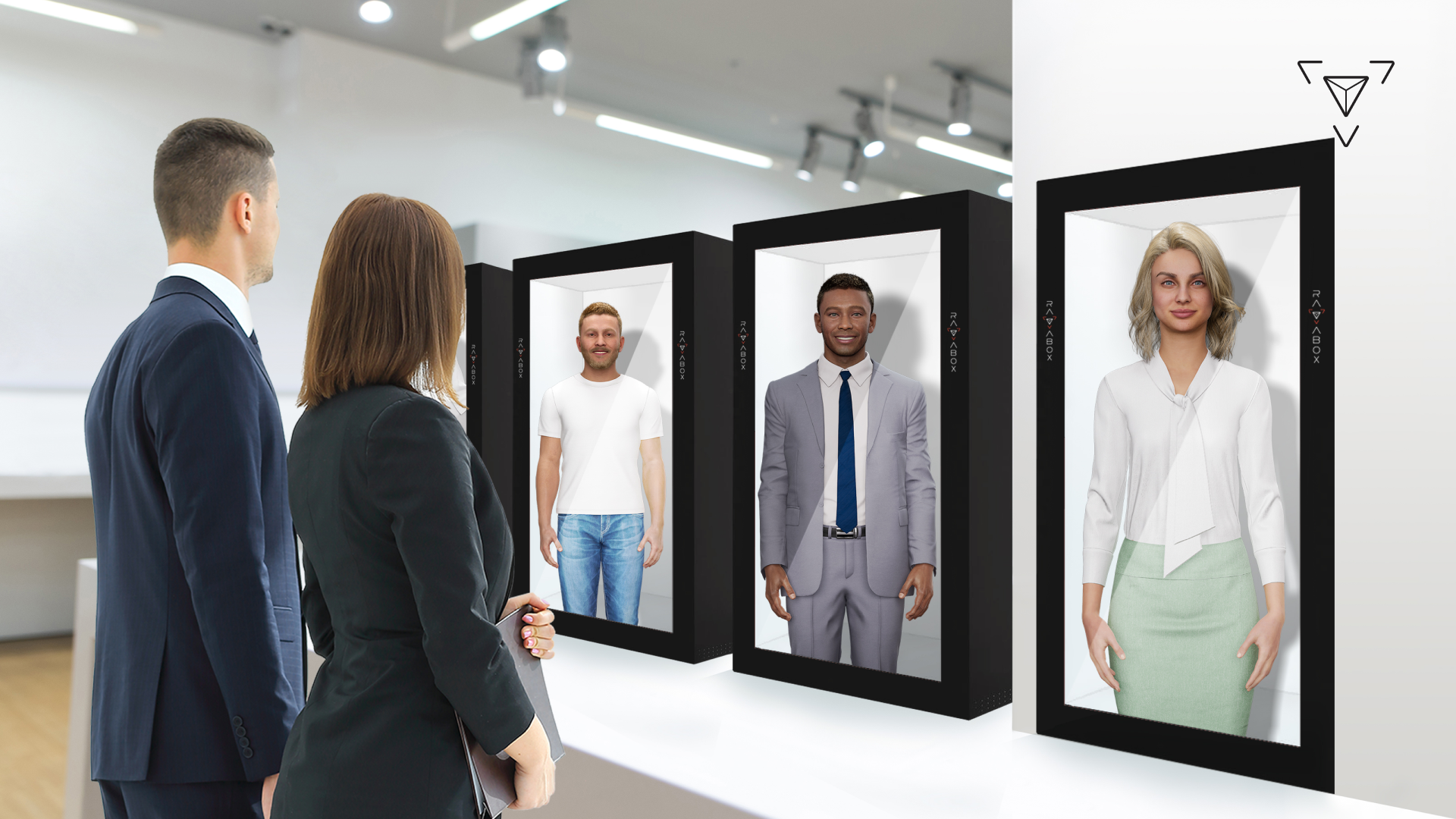
Here are the most important benefits they bring in 2026 and beyond:
Human-like engagement
Users often feel they are talking to a real person. This sense of natural conversation builds trust and keeps people engaged longer during interactions.
24/7 availability
Avatars never need breaks or time off. They provide constant support, which is especially valuable for customer service, e-commerce sites, and users in different time zones.
Cost efficiency
Once the initial setup is complete, interactive avatars can manage thousands of conversations without requiring additional staff. This reduces operational expenses significantly over time.
Scalability
A single avatar can handle an unlimited number of users at the same time. This allows businesses to support high volumes of interactions without hiring more people.
Multilingual and inclusive support
Avatars can communicate in multiple languages and include features for accessibility. For example, they offer text responses alongside visuals, which helps users who are hearing-impaired.
Data collection and insights
Every conversation generates anonymized data that can be used to improve products, services, and the user experience. This information remains fully compliant with privacy regulations.
Brand consistency
Avatars always follow the same tone, messaging, and guidelines. They deliver a uniform experience, unlike human agents who may vary in performance from day to day.
Where are Interactive Avatars Used?
Interactive avatars are already part of everyday digital life in numerous industries. They manage conversations, answer questions, and get things done reliably. Businesses and organizations use them in all sorts of places because they run non-stop and handle huge volumes without breaking a sweat.
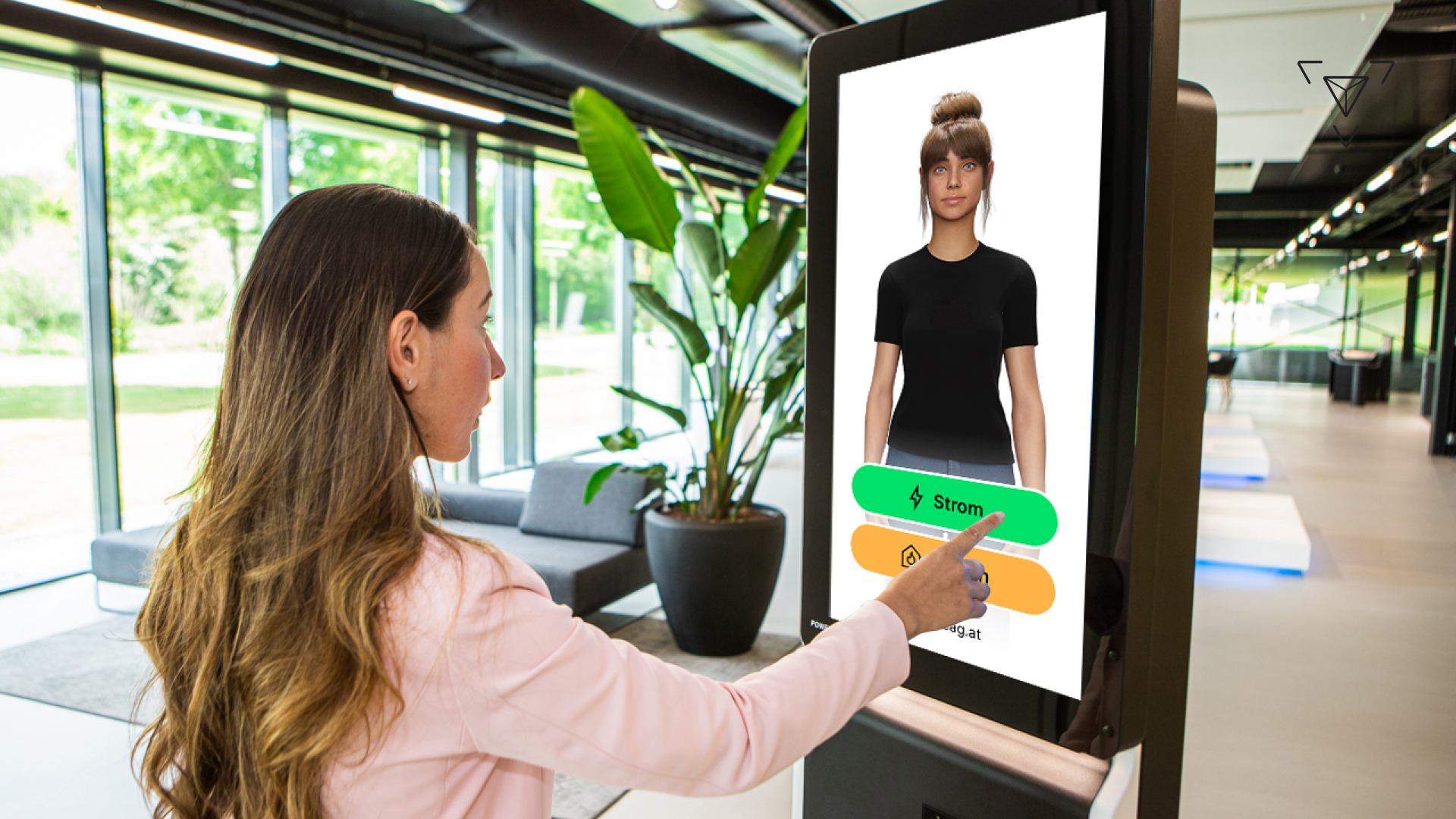
Here are some of the most common and practical applications today, along with typical use cases and the kind of benefits interactive avatars can deliver.
| Industry | Use Case Example | Typical Benefits |
| Customer Support | Virtual agent on website handles 80% of routine queries (Zendesk + avatar) | Reduced wait times by 70% |
| Retail & E-commerce | AI shopping assistant recommends products and answers sizing questions | Increased conversion rate by 25–40% |
| Healthcare | Virtual healthcare assistant provides appointment reminders and basic symptom triage | Improved patient satisfaction scores by 40% |
| Education & Training | Interactive tutor explains concepts and adapts to student pace | Higher completion rates and engagement in online courses |
| Live Events & Virtual Meetings |
AI host welcomes attendees, answers questions, and moderates Q&A | Boosted user retention at large-scale virtual & live events |
| HR & Recruitment | AI interviewer screens candidates and asks initial questions | Reduced time-to-hire by 30% |
| Hospitality | Virtual concierge assists with hotel bookings and local recommendations | 24/7 guest support with 95% query resolution |
How Interactive Avatars Work (Simplified)
- Input capture: The system records what the user says or types. This can come from a microphone (voice), camera (gestures or lip-reading), or keyboard (text input).
- Speech-to-text (STT): If the input is voice, the system converts spoken words into text using speech recognition. This step is skipped for typed input.
- Natural Language Understanding (NLU): The text is sent to a powerful AI (such as GPT-5 or similar large language models). The model processes the text, analyzes the words, and understands the user’s current intent.
- Response generation: The AI generates a natural, context-aware reply based on the user’s input. It can remember earlier parts of the conversation and respond accordingly.
- Text-to-speech (TTS) + lip-sync: The generated text is converted back into spoken voice using text-to-speech technology. At the same time, the avatar’s mouth movements and facial expressions are synchronized with the spoken words (lip-sync).
- Real-time rendering: The avatar’s face, body, and gestures are animated live. This is done using neural rendering, 3D models, or advanced animation engines that make movements look natural and responsive.
- Output delivery: The user sees the animated avatar and hears the voice response instantly. The entire process is handled in the background, creating the illusion of a real conversation.
Modern platforms integrate these steps efficiently, often using cloud servers or edge computing to keep latency under 1–2 seconds. This makes the interaction feel immediate and lifelike.
Future of Interactive Avatars (2026 Outlook)
The trajectory of interactive avatars in 2026 is driven by real technical advancements rather than hype. Here’s what is actually happening and what to expect based on current development trends.

Full-Body Real-Time Avatars
- Full-body avatars with natural movements are no longer experimental. Platforms already support complete body rigging, gesture tracking, and posture adaptation in real-time.
In 2026, expect wider adoption of full-body models that react to user input (e.g., nodding, leaning forward during conversation) without noticeable delay. This is especially relevant for VR/AR meetings, training simulations, and live virtual events.
Deeper Emotional Intelligence
- AI models are getting better at detecting subtle cues: voice tone, speech speed, pauses, and facial expressions (via webcam).
In 2026, researchers and developers will actively work on using these cues to make avatars smarter about emotions, such as spotting frustration, confusion, or excitement. The aim is to let the avatar naturally adjust its tone, pacing, or even say something like “Let me explain that differently” without needing a ton of pre-written rules. This will make interactions feel even more natural and less robotic.
Seamless Integration with AR Glasses and Metaverse Platforms
- AR glasses (e.g., next-gen Apple Vision Pro successors or Meta Orion prototypes) will treat avatars as native elements.
Avatars will appear in the user’s real-world field of view, maintain eye contact, and follow the user’s gaze. Metaverse platforms will support persistent avatar identities across sessions and devices, with consistent appearance and memory.
Zero-Latency Experiences
- Edge computing and 5G/6G networks carry the potential to reduce latency to under 50 ms.
In 2026, most enterprise-grade avatars will run on edge servers, making conversations feel more instantaneous, which is critical for live support, negotiations, and high-stakes interactions.
Ethical Standards and Regulations
The EU AI Act, which started phased enforcement in 2024 and will be fully applied by mid-2026, along with similar laws emerging in the US, UK, and China, sets clear requirements for interactive avatars and AI systems.
- Clear disclosure that the user is speaking to an AI avatar, not a real person.
- Informed consent for processing voice, face, or personal data.
- Transparency about how data is used, stored, and shared.
- Strict ban on deceptive use in sensitive areas (e.g., financial advice, medical consultations, or legal matters) where deepfake-like behavior could mislead.
These rules will force platforms to build in compliance features (e.g., “This is an AI avatar” watermark, audit logs).
In short, interactive avatars are quickly becoming a new standard interface for digital communication, the real “Face of AI”. They solve actual problems: round-the-clock service, unlimited scale, and steady quality at a fraction of the cost of human staff. The core technology is already quite mature, so 2026 is going to be more about putting them into everyday use and ensuring everything complies with new regulations.